
Energy
-
 A new industrial-scale “sand battery” has been announced for Finland, packing 1 MW of power and a capacity of up to 100 MWh of thermal energy for use during those cold polar winters. The new battery will be 10 times bigger than a prior pilot plant.
 -
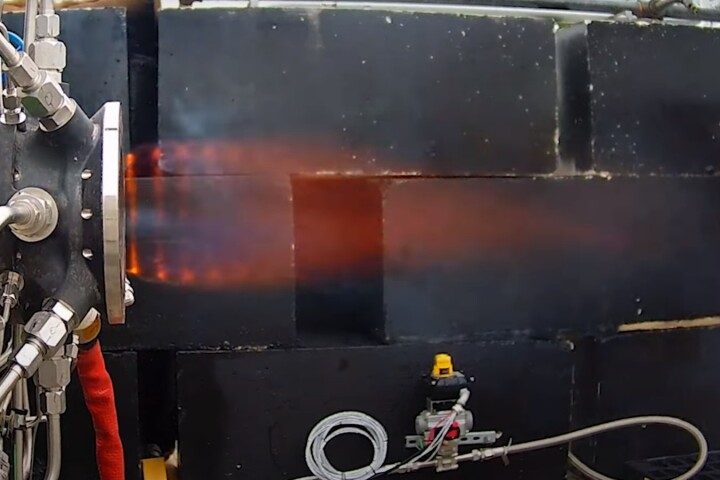 A revolutionary alternative to conventional rockets that uses controlled explosions has completed its first long-duration engine test as part of Venus Aerospace's partnership with DARPA to develop a Rotating Detonation Rocket Engine.
 -
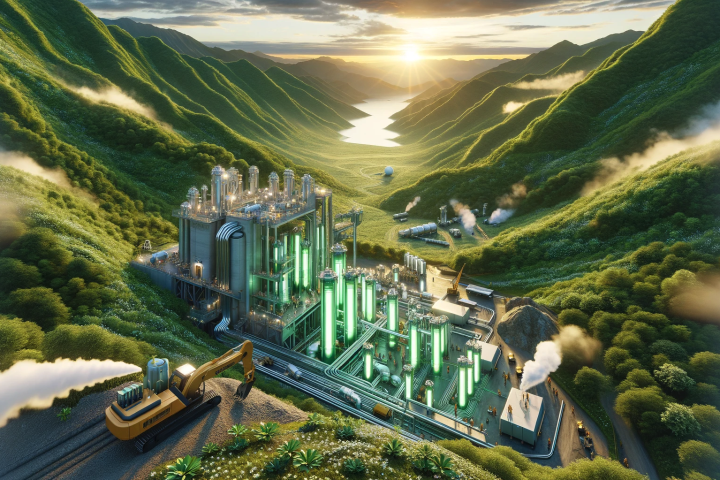 There's enough natural hydrogen trapped underground to meet all projected demands for hundreds of years. An unpublished report by the US Geological Survey identifies it as a new primary resource, and fires the starter pistol on a new gold rush.
 -
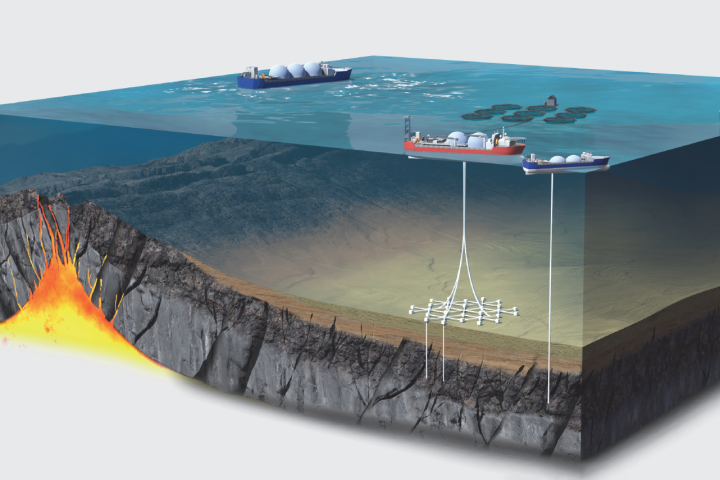 A potentially game-changing and largely unexplored energy jackpot lies beneath the ocean floor, according to a whitepaper from geoscience tech consultancy CGG. Unique conditions under the sea bed promise cheaper and more accessible geothermal power.
 -
 American adults are eating 400-500 calories – roughly the same energy intake as a recommended main meal – in snacks every day, and it comes with little nutritional value yet a whole lot of sugar.
 -
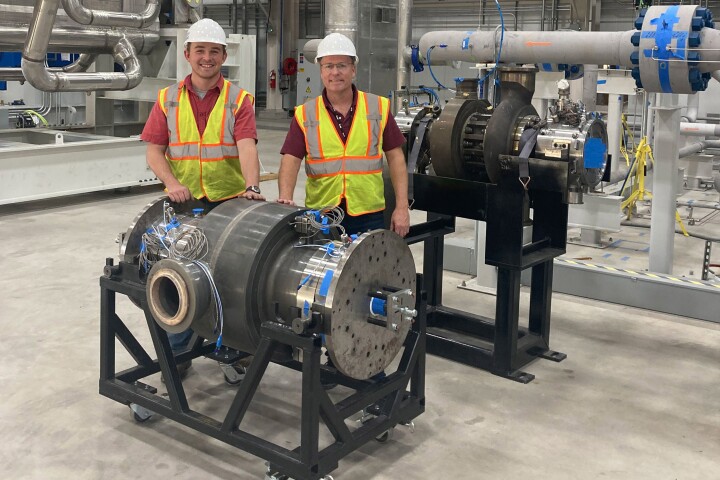 Steam turbines still produce most of the world's power, but supercritical CO2 promises to be much cheaper, and 10% more efficient as a medium than water, using 10X smaller turbines. A US$155-million pilot plant is now complete in San Antonio.
 -
 There are numerous situations in which a robot doesn't need to move quickly, but it does need to cover long distances without having to recharge its batteries. The minuscule energy-harvesting MilliMobile robot was designed for just such scenarios.
 -
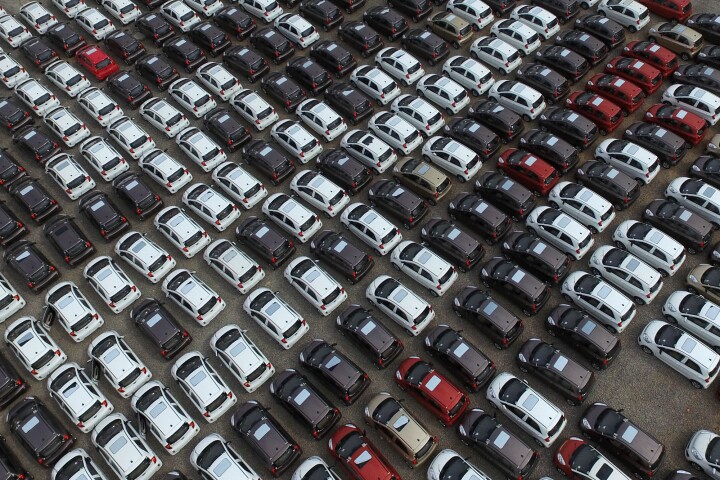 China's extremely rapid adoption of EVs has forced oil giant Sinopec to adjust its forecasts, saying peak domestic gasoline demand has already passed and it's all downhill from here. The repercussions will be global.
 -
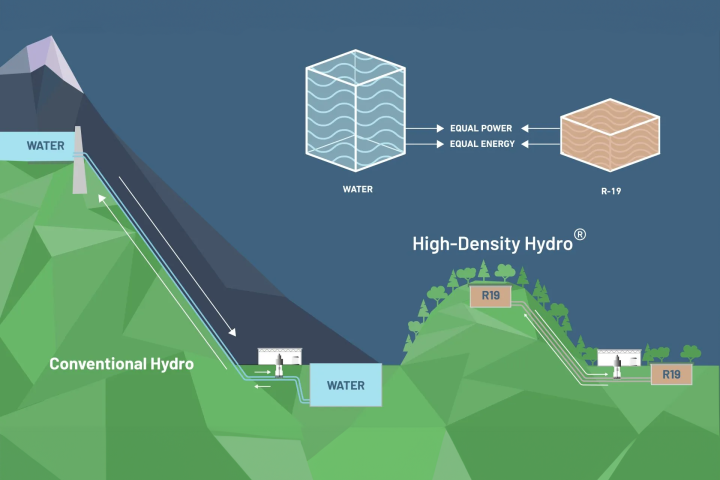 UK company RheEnergise is quietly rolling out an interesting new approach to pumped hydro energy storage, aiming for a capacity of at least 100 MW by 2030. It works with small hills instead of mountains, making it relevant in many more areas.
 -
 They say that 'small is beautiful,' and the Westinghouse Electric Company seems to have embraced this with the unveiling of its AP300 Small Nuclear Reactor (SMR), which combines Gen III+ reactor technology with a more compact, economical size.
 -
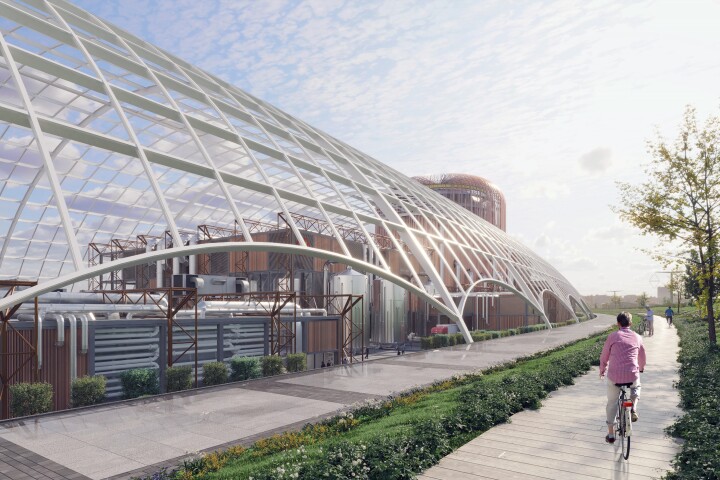 Tokamak Energy has released the first images of what its commercial fusion power plant, which it says would safely generate enough electricity to power 50,000 homes in the 2030s, would look like.
 -
 Energy prices around the world have been rising alarmingly since 2021. While some have shared advice on how to heat the person rather than the home, researchers at KTH are working on a building material that could help regulate indoor temperatures.
Load More