
Drinking
-
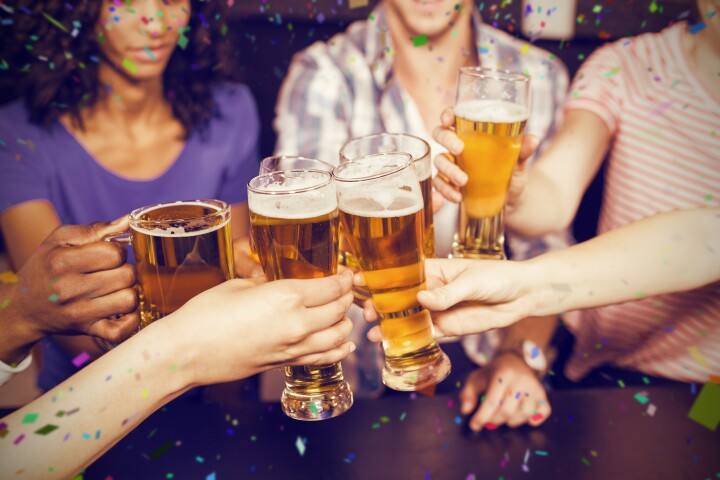 It’s a safe assumption that we all know binge-drinking is not good for our general health. But a new study shows that one big alcohol-fueled session a week is significantly more harmful than spreading that same amount of drinks out over seven days.
 -
 Anyone who's been to karaoke night at a bar knows just how dramatically altered our voices get after throwing back a few drinks. Scientists have now shown that analyzing these vocal changes is a surprisingly good way to see just how drunk we are.
 -
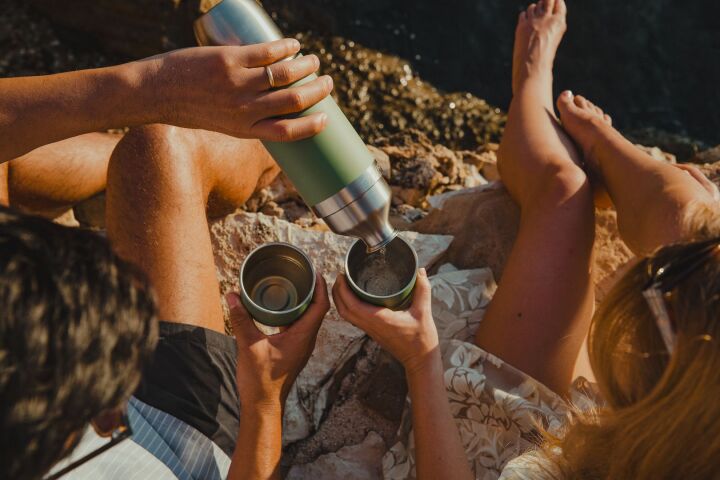 High Camp takes a break from spirits to offer adventurous wine lovers a slick way of bringing a bottle off the beaten path. The Parkside Flask 750 stores a full bottle's worth of wine between two magnetic tumblers for camping, picnics and tailgates.
 -
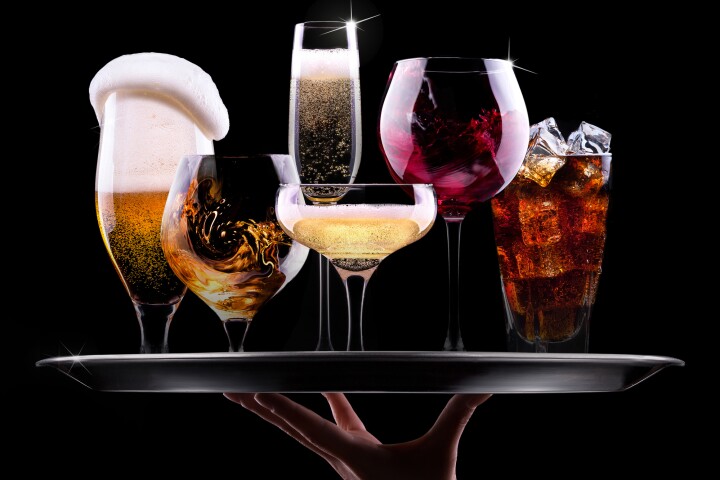 A new study has found, for the first time, that consuming beverages that taste like beer or cocktails but contain no alcohol can significantly reduce alcohol intake, which may be an effective strategy for helping excessive drinkers cut back.
 -
 For people such as Gary Lynn, cerebral palsy makes it nearly impossible to perform tasks like getting a sip of water without human assistance. He can now get those sips on his own, however, thanks to a student-designed device known as the RoboCup.
 -
 Researchers have discovered that a chemical in the brain makes alcohol taste bitter to women. It may explain the difference in drinking habits between the sexes and pave the way for novel treatments to help women curb excessive alcohol use.
 -
 Shaken or stirred? How about turbine-blasted at 150 rpm? The all-new Martini Mixer from Callum creates the classic cocktail by whirling up a precise combination of gin and vermouth in a matter of seconds.
 -
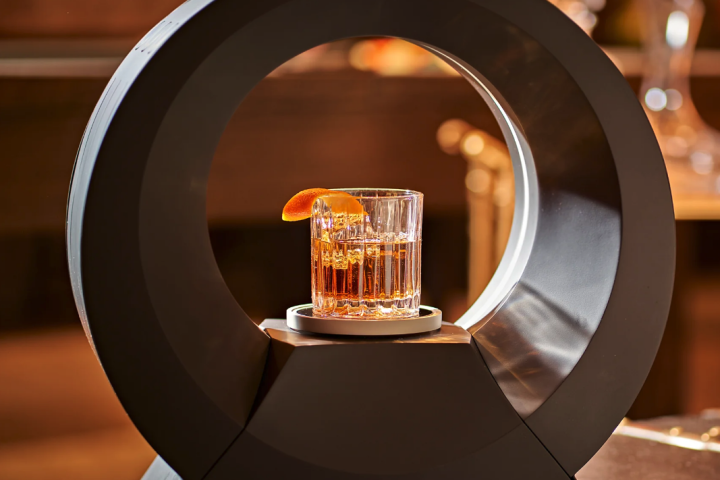 The original Barsys cocktail machine looks like it belongs only in an actual bar. The new Barsys 360, however, is more a piece of high-tech home decor, immersing one's glass in a vertical amphitheater of mixology with the skills of an ace bartender.
 -
 The Draft Top is designed to take your beer can (and other drinks) to a new level. It cleanly and smoothly removes the lid from an aluminum vessel, allowing for better taste, less bloat, imaginative creations and, afterwards, some clever repurposing.
 -
 Chlorine has long been used to disinfect drinking water but has been linked to health problems. In a new study, researchers looked at how the bacteria the purification process was designed to remove responded when chlorine was removed from the equation.
 -
 Researchers fed mice a probiotic designed to release an alcohol-metabolizing enzyme. Then they got them drunk. The results showed success in keeping the mice from getting too buzzed, and in helping them clear the alcohol from their systems faster.
 -
 A fascinating study from researchers at the National Institutes of Health suggests people who don't drink enough fluids could be at greater risk of chronic disease and are more likely to die at a younger age.
Load More