
DNA
-
 Even if a criminal wears gloves, their cast-off DNA may still be present in a room's air. A study suggests that if such material gets sucked up by an air conditioner, it could let investigators know if a suspect has or hasn't been in a certain room.
 -
 Analysis of Beethoven’s DNA has revealed that he had a low genetic predisposition for musical ability. The study highlights how making genetic predictions for individuals, including famous historical figures, can be fraught with danger.
 -
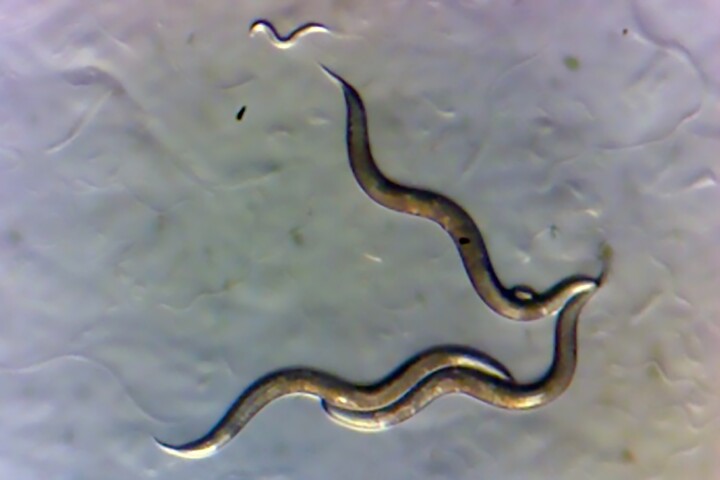 Studying a species of microscopic worms exposed to high radiation from the 1986 Chernobyl disaster, researchers couldn’t find signs of genetic damage caused by the exposure. The findings are set to forge a path towards a better understanding of cancer.
 -
 A new technique, which involves melting bacterial DNA found in blood samples, could deliver diagnoses of potentially fatal infections faster than ever before. Results may be obtained in a few hours, instead of days.
 -
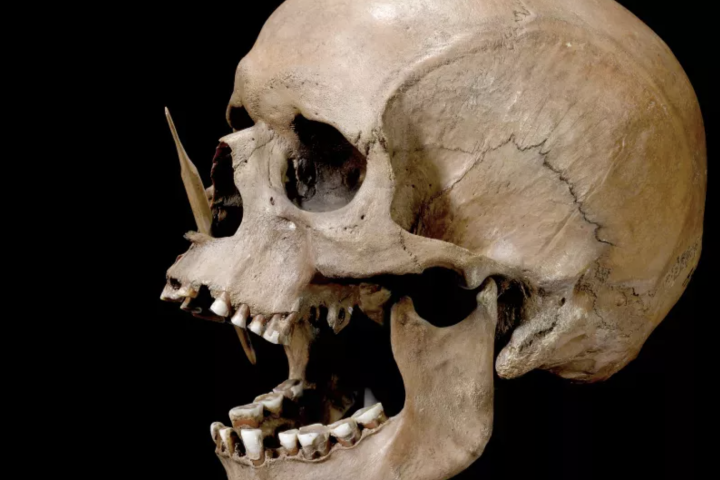 Upending existing theories, there was no peaceful transition of power from hunter-gathers to the first farmers. New DNA analysis reveals that instead it was a deadly takeover – one that completely wiped out the hunter-gathers within a few generations.
 -
 Using a virus-mimicking DNA scaffold instead of the usual protein one to deliver a vaccine to mice not only generated a robust immune response but avoided the off-target effects sometimes seen when proteins are used.
 -
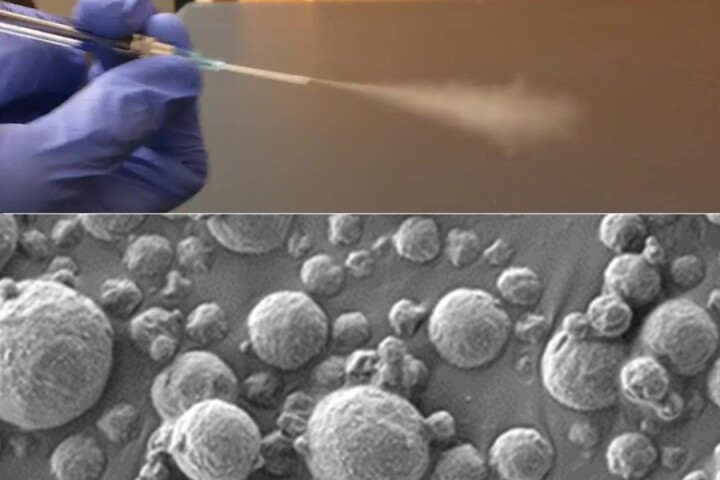 MIT scientists have developed an easier method for diagnosing lung cancer – breathe in some inhalable nanoparticle sensors, then pee on a stick. The method should be less invasive than CT scans, and easier to perform in low-income regions.
 -
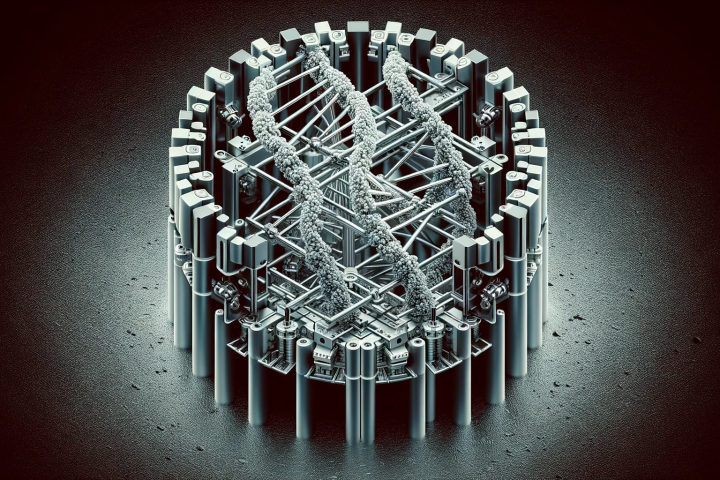 Researchers have demonstrated a programmable nano-scale robot, made from a few strands of DNA, that's capable of grabbing other snippets of DNA, and positioning them together to manufacture new UV-welded nano-machines – including copies of itself.
 -
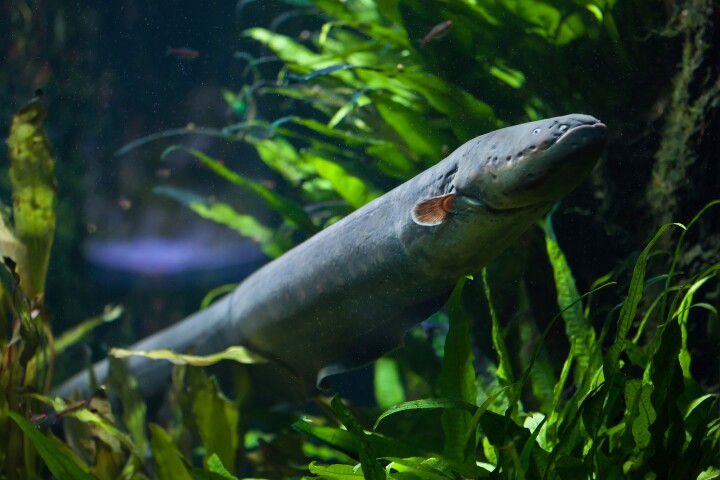 A study has found that an electric eel’s discharge is strong enough to transfer genetic material from the environment into the cells of nearby animals. The finding suggests that electric eels could affect genetic modification in nature.
 -
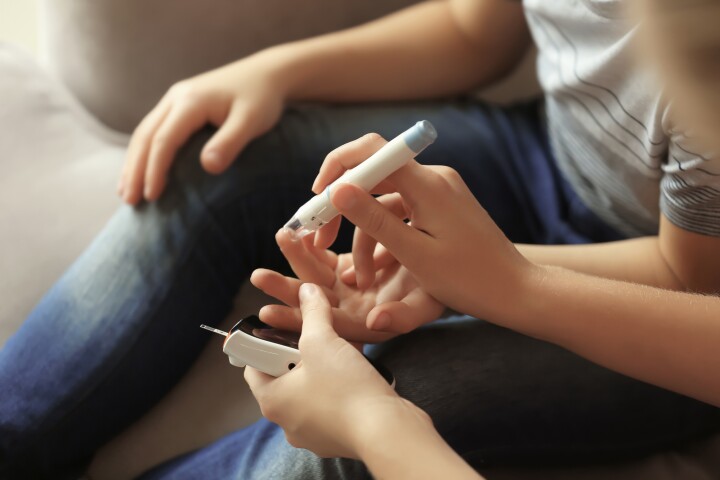 Daily finger-prick blood tests are an uncomfortable fact of life for diabetics, but they may not always have to be. Scientists from Canada and the US have developed a prototype home-use device that measures blood glucose levels via saliva samples.
 -
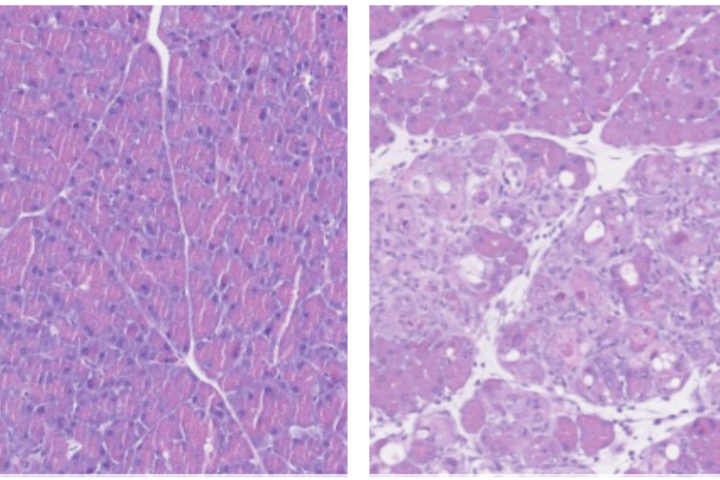 Vitamin B12 doesn't get much time in the spotlight, but as well as its role in red blood cell formation and DNA synthesis, scientists have now found that it is key to cellular reprogramming and tissue regeneration, as well as curtailing inflammation.
 -
 Researchers have discovered how a metabolite involved in repairing damaged DNA not only controls a person’s sensitivity to cancer therapies but can also protect healthy tissues from damage. The findings may lead to more effective cancer treatments.
Load More