
Display
-
 If Apple made a dual monitor system for laptops, it might be a lot like the S2. The setup features aluminum construction, one-cord connectivity, and the ability to be used in five different configurations.
 -
 If you're on a sightseeing tour in a bus, you really don't want to be looking away from the passing attractions to Google them on your smartphone. The AR Interactive Vehicle Display is intended to help, by showing relevant information on the vehicle's window glass.
 -
 CES 2024 is fast approaching, and some consumer tech companies are teasing stuff early. LG has announced new additions to its UltraGear line of gaming monitors, including one that allows users to switch between 240-Hz 4K and 480-Hz HD using a hotkey.
 -
 The Looking Glass Factory brought personal holographic imagery to the desktop back in 2020 with the launch of the Portrait. Now the company has again taken to Kickstarter for what's billed as the "world's first portable holographic display."
 -
 After lighting up its 580,000-sq-ft LED-packed exterior for the first time back in July, Las Vegas' newest entertainment venue officially opened for business this weekend with the first of a string of Achtung Baby live concerts by rock band U2.
 -
 Back in 2021, China's Dasung launched an E Ink desktop monitor on Indiegogo. Now the company has returned with a 25.3-inch monitor featuring E Ink Kaleido 3 color ePaper technology that's available in flat or curved models.
 -
 Working remotely, it's not easy to move from a home desk when you require two screens. The CrowView display wants to change that, with its 'plug and play' functionality and easy attachment letting you work anywhere, even from a sun lounge by the beach.
 -
 Move over, quantum dots – quantum rods could be the next big display technology. These tiny sticks could improve 3D displays for VR headsets, and now engineers at MIT have overcome a logistical hurdle by arranging them onto a scaffold made of DNA.
 -
 Looking like a huge high-tech snow globe, the Sphere is the world's largest spherical structure and hosts the world's largest LED display on its exterior. This has now been officially illuminated for the first time with a Hello World message.
 -
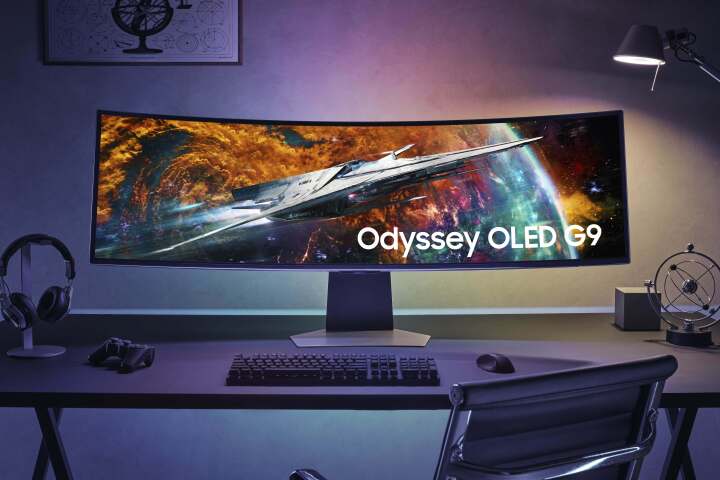 Samsung has announced that the "first OLED monitor to offer Dual Quad High Definition" is now available for pre-order. The 49-inch curved Odyssey OLED G9 gaming monitor boasts a super-quick 240-Hz refresh rate and a super-snappy 0.03-ms response time.
 -
 Folks wanting to watch a movie at camp, listen to music at a picnic or play board games at the beach will likely have to haul a bunch of different gadgets. LG proposes an all-in-one solution with a smart display in a briefcase called the StanbyME Go.
 -
 Samsung Display is at SID Display Week with a bunch of OLED innovations including a future laptop screen that expands to offer five times the display real estate, and a sensor-packed panel capable of reading fingerprints and checking blood pressure.
Load More