
Diagnostic devices
-
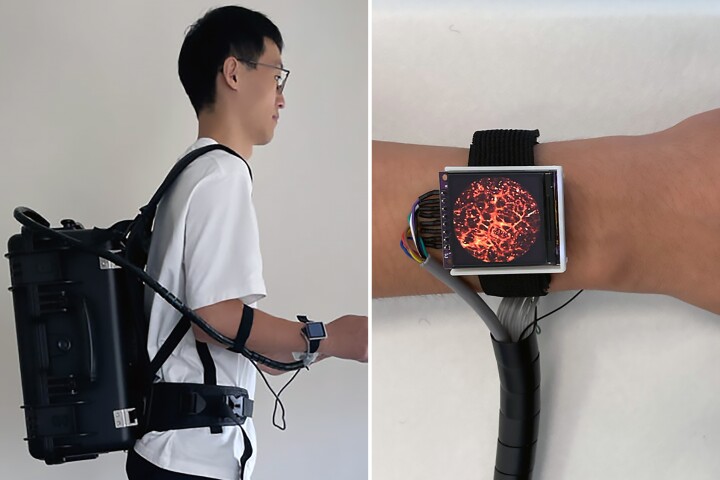 A tiny high-resolution photoacoustic imaging device that fits into a watch has been developed, offering a non-invasive way of measuring health parameters that indicate how well your heart is ticking along. It also looks cooler than any Apple Watch face.
 -
 A radioactive form of fructose, a natural sugar found in fruit, can illuminate cancer and inflammation in medical scans. This approach has the potential to make diseases easier to spot than current techniques, leading to better early detection.
 -
 Using the neuroimaging data of nearly 12,000 participants, researchers have confirmed there is a critical need for taking a ‘whole brain approach’ when diagnosing, researching and treating attention-deficit hyperactivity disorder (ADHD).
 -
 MIT scientists have developed an easier method for diagnosing lung cancer – breathe in some inhalable nanoparticle sensors, then pee on a stick. The method should be less invasive than CT scans, and easier to perform in low-income regions.
 -
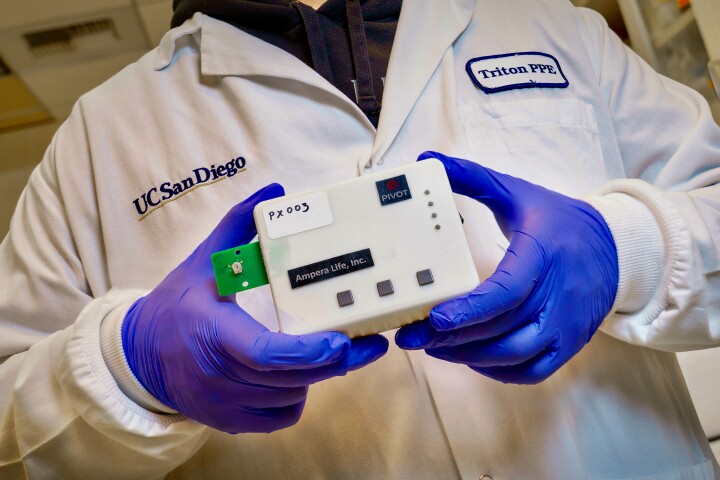 Because of the logistics and invasive procedures involved, many people put off getting tested for Alzheimer’s and Parkinson’s diseases. Thanks to a new device, however, such testing could soon be performed non-invasively at just about any location.
 -
 Half of the adult population has high blood pressure, but new research suggests that several million people may have elevated readings due to poor testing procedures. Experts call for a spotlight on how and where patients sit while in the cuff.
 -
 When a respiratory patient's COPD flares up, the outcome can be highly debilitating – potentially even fatal. A new wearable known as the Sylvee is claimed to detect such exacerbations early, so they can be dealt with before it's too late.
 -
 Earlier this year we heard about the ear-EEG, a special earbud that reads electrical activity in the brain. Well, scientists have now developed add-on sensors that allow regular earbuds to do so, and to analyze sweat to boot.
 -
 Not only are colonoscopies invasive and uncomfortable, they may also miss gut-problem-related biomarkers that are only present in the body for a short time. A new "smart pill" is designed to address such shortcomings, using live light-up bacteria.
 -
 While gingivitis can lead to tooth loss, the bacteria responsible for the gum disease can also enter the bloodstream and cause heart disease. That's why early detection is important, which is where a new home testing kit may soon come in.
 -
 Dynabeads are microscopic magnetic spheres which scientists use to isolate certain types of cells and proteins. Now, MIT researchers are developing a method of using the beads to quickly spot pathogens in drinking water or blood samples.
 -
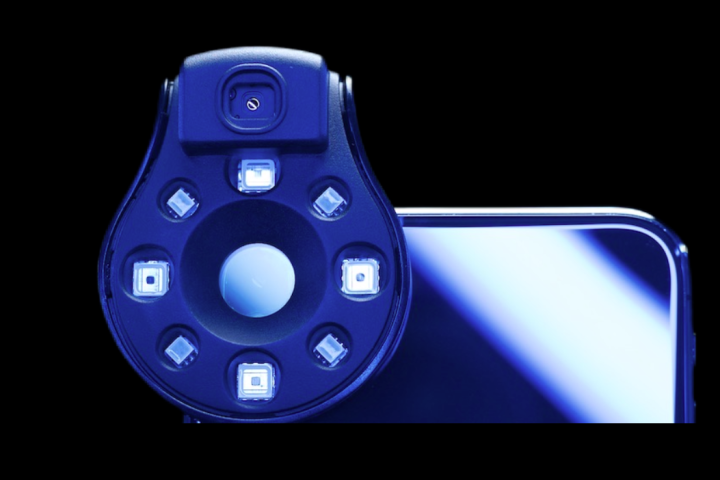 When Captain Kirk stepped out with a tricorder in hand in Star Trek in 1966, the data sensing, scanning and analyzing gadget seemed a rather useful but far-in-the-future piece of technology. With the Swift Ray 1, we're a step closer to its reality.
Load More