
Diagnose
-
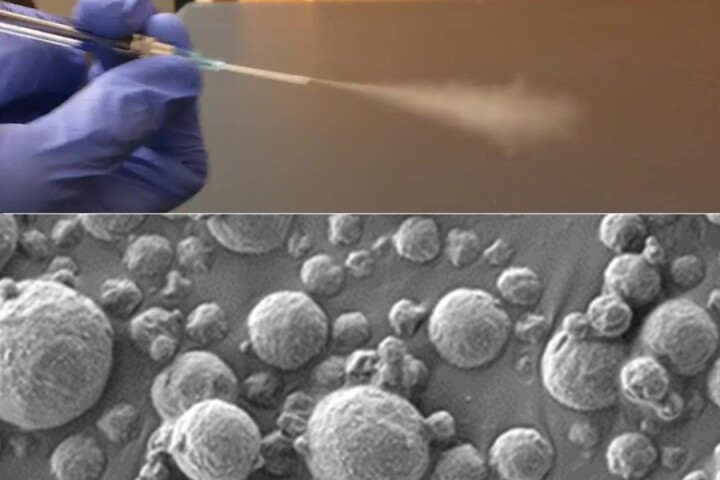 MIT scientists have developed an easier method for diagnosing lung cancer – breathe in some inhalable nanoparticle sensors, then pee on a stick. The method should be less invasive than CT scans, and easier to perform in low-income regions.
 -
 Certain gut bacteria have been linked to colon cancer, but now they might get a chance at redemption. Scientists have engineered “pickpocket” bacteria to detect colorectal cancer, with a 100% success rate in mouse tests.
 -
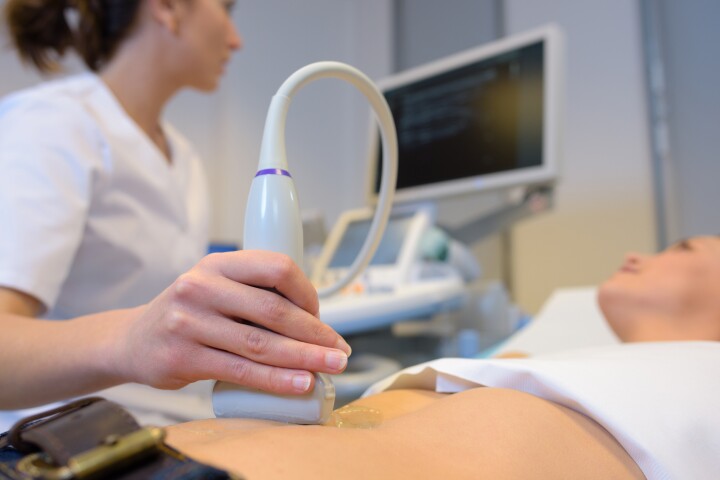 Researchers have developed a breakthrough ultrasound method that uses shear waves to, for the first time, measure tension in human tissue. The discovery has to the potential to revolutionize disease diagnosis.
 -
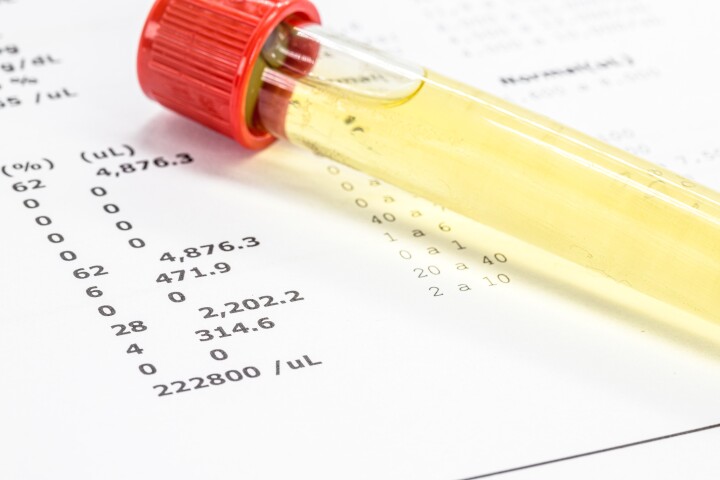 In a new study published in Frontiers in Aging Neuroscience, researchers propose urine tests as a potential way to detect Alzheimer's disease. The study suggests formic acid levels in urine could be a useful early-stage biomarker for the disease.
 -
 Type 2 diabetes can take years to develop, but caught early is an entirely preventable disease. A new study is suggesting a particular blood biomarker could be used to identify those on the way to diabetes but yet to display symptoms of disease.
 -
 A new study has found people with elevated blood levels of a protein called prostasin face a significantly higher risk of developing diabetes or dying from cancer. It’s unclear at this point whether the protein plays a causal role in either disease.
 -
 New research presented at the American Chemical Society has demonstrated how roundworms can be used to detect lung cancer. A “worm-on-a-chip” device has been developed that is currently 70 percent effective at detecting cancer cells.
 -
 Genome sequencing can determine whether a patient’s illness is genetic, but results usually take weeks. A new ultra-rapid technique can sequence a person’s genome and diagnose genetic diseases in just a few hours, earning it a Guinness World Record.
 -
 The earlier cancer is detected, the better. MIT scientists have developed a diagnostic system that can be performed as a urine test to detect the presence of cancer, and if a positive is returned, a follow-up test can locate where it is in the body.
 -
 Researchers at the University of Pennsylvania have developed an electronic nose that may be able to sniff out signs of cancer from blood plasma samples. In tests, the device was able to detect a range of cancer types with over 90 percent accuracy.
 -
 Researchers have engineered bacteria to sense pH levels in intestines and glow green in the presence of inflammation. The bacteria was tested in mouse models of inflammatory bowel disease, effectively indicating the beginning of a disease flare-up.
 -
 Researchers are closer to an objective blood test for mood disorders, with a new study describing a panel of blood-based biomarkers that can distinguish between depression and bipolar disorder, and measure the future risk of developing these conditions.
Load More