
Diabetes
-
 The magnetometer found inside your cellphone acts like a traditional compass to help you navigate your surroundings. Now, researchers are using it to map human biology, and it could ultimately make managing diabetes a lot cheaper and easier.
 -
 A genetically modified cow has produced milk containing human insulin, according to a new study. The proof-of-concept achievement could be scaled up to produce enough insulin for all diabetics requiring the life-maintaining drug.
 -
 Ultra-processed foods like nuggets and pizza have long been in the firing line. But we can't ignore the stats any longer, with new research showing that junk food is served up with a heightened risk of more than 30 different mental and physical issues.
 -
 Researchers have identified a novel inhibitor drug that, when given to mice, prevented both eye and kidney complications commonly seen in diabetics. Further research is being done to advance the drug to clinical trials.
 -
 While it might run counter to conventional wisdom, if you are lactose intolerant, you might want to drink some milk every day to ward off diabetes. So says a new study that looked at a genetic variant involved in the effect.
 -
 An oral insulin that has proven effective at reducing blood glucose and avoiding hypoglycemia in mice, rats, and baboons is set for human clinical trials as soon as 2025. The researchers are hopeful the drug be available to all in a few years.
 -
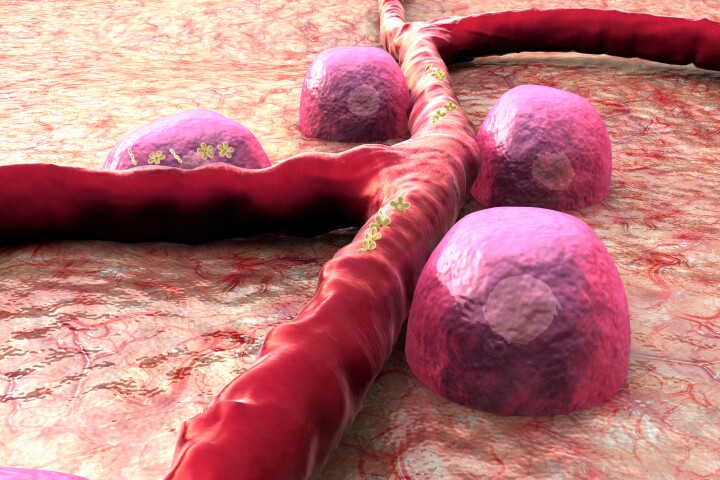 Researchers have used FDA-approved cancer drugs to regenerate pancreatic cells damaged by diabetes into cells that secrete insulin in response to glucose. The discovery could mean that one day, diabetics can avoid multiple daily insulin injections.
 -
 Researchers have identified an efficient and cost-effective two-step screening strategy that, compared to the current one-step approach, more accurately identifies which type 2 diabetics need treatment to prevent life-threatening heart failure.
 -
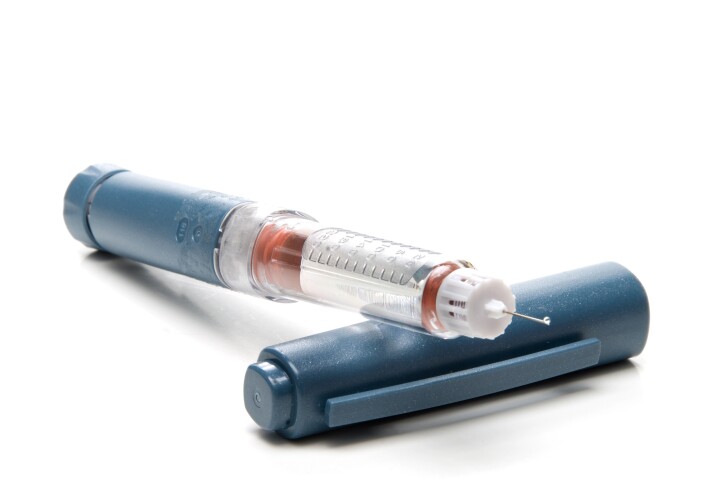 Researchers have created a slow-release ‘smart’ insulin that responds to blood glucose levels to provide week-long control with virtually no incidents of low blood sugar. The novel insulin opens the door to once-a-week insulin injections for diabetics.
 -
 In 2023, researchers homed in on a variety of relatively small and simple lifestyle modifications that can positively impact human health. These are discoveries you can use right now to potentially boost your health, fight disease, and live longer.
 -
 Diabetes was the focus of much research in 2023, resulting in a few ‘world-firsts’. From trialing a diabetes-slowing tablet to using plant extracts and creepy crawlies to lower blood sugars, here are the top diabetes stories of the past year.
 -
 American adults are eating 400-500 calories – roughly the same energy intake as a recommended main meal – in snacks every day, and it comes with little nutritional value yet a whole lot of sugar.
Load More