
DARPA
-
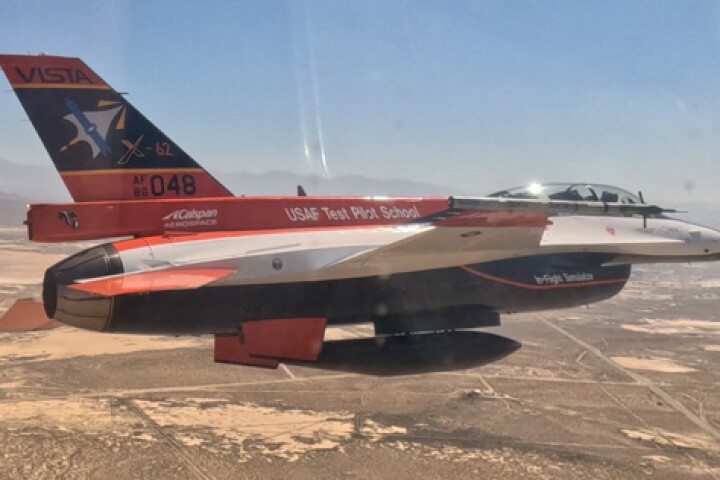 An F-16 fighter plane running on artificial intelligence has engaged in the first-ever aerial dogfight exercise with a human-piloted counterpart. This is the first footage of the mock battle, which comes out of DARPA's Air Combat Evolution program.
 -
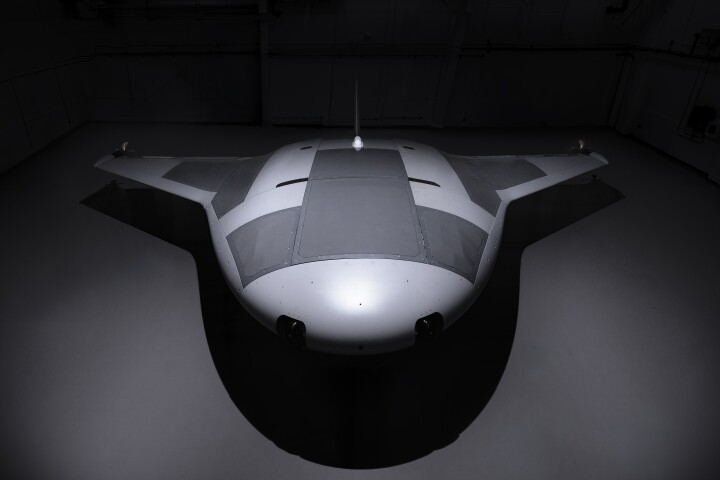 Northrop Grumman introduces its first completed prototype Manta Ray Uncrewed Underwater Vehicle that it is developing for DARPA. The extra-large submarine glider is designed to carry out long-range undersea missions without human assistance.
 -
 In preparation for a permanent human colony on the Moon, DARPA has awarded a contract to Northrop Grumman to develop a highly ambitious lunar railway concept. It's part of the agency's 10-year Lunar Architecture (LunA-10) Capability Study.
 -
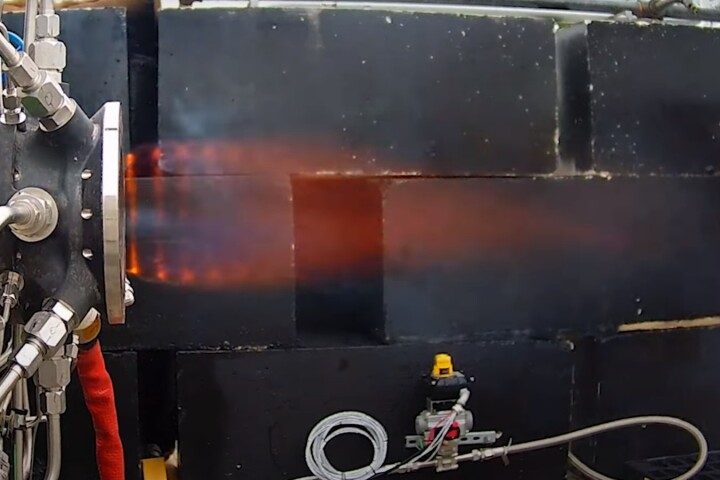 A revolutionary alternative to conventional rockets that uses controlled explosions has completed its first long-duration engine test as part of Venus Aerospace's partnership with DARPA to develop a Rotating Detonation Rocket Engine.
 -
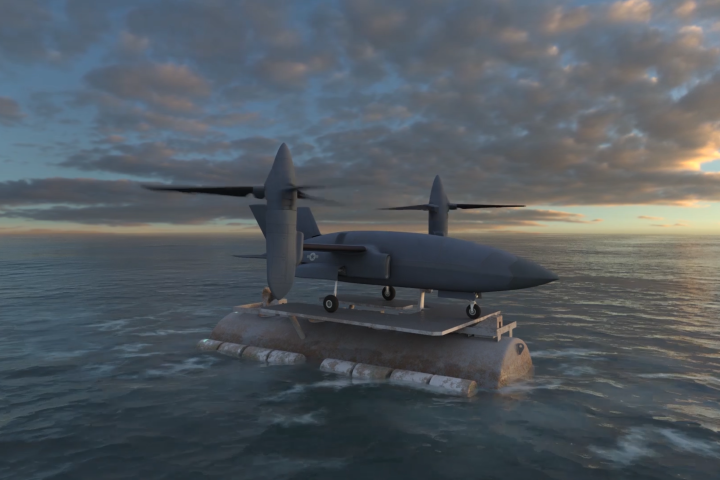 Bell has released a video showing off its High-Speed Vertical Takeoff and Landing (HSVTOL) technology in action. The two-minute video shows a ground test of the nacelle system used to lift and land a VTOL X-plane before converting to jet flight.
 -
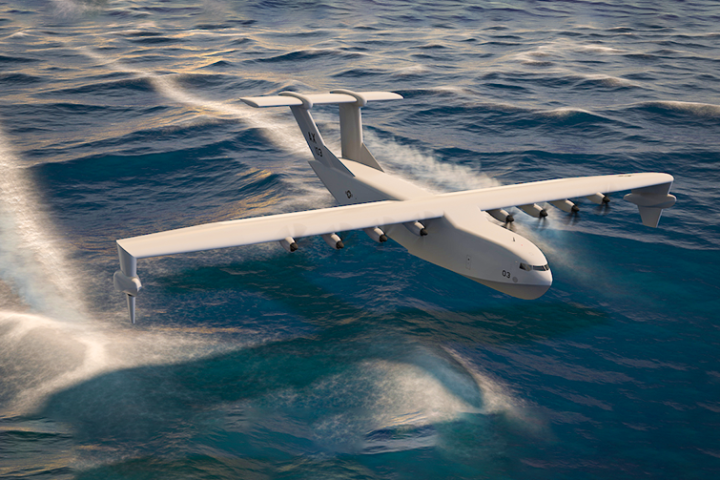 Aurora Flight Sciences has updated the design of its Liberty Lifter seaborne military heavy-lift transport – a highly efficient X-plane the company is developing for DARPA that achieves bulk lift by using wing-in-ground effect.
 -
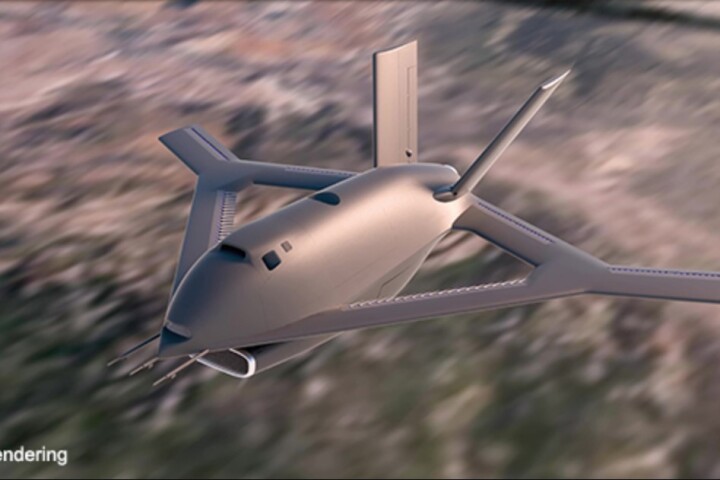 DARPA has awarded a contract to Aurora Flight Sciences to build a full-scale aircraft called the X-65. It will test a new technology that replaces moving control surfaces with Active Flow Control (AFC) actuators that use jets of air for control.
 -
 DARPA has tapped Raytheon to design and develop a wireless, airborne relay system to "deliver energy into contested environments," as part of its Energy Web Dominance program, in which DARPA wants to be able to power anything from nearly anywhere.
 -
 A DARPA program is claiming a major breakthrough in quantum computing. The Optimization with Noisy Intermediate-Scale Quantum devices (ONISQ) program has created the world's first quantum circuit with logical quantum bits (qubits).
 -
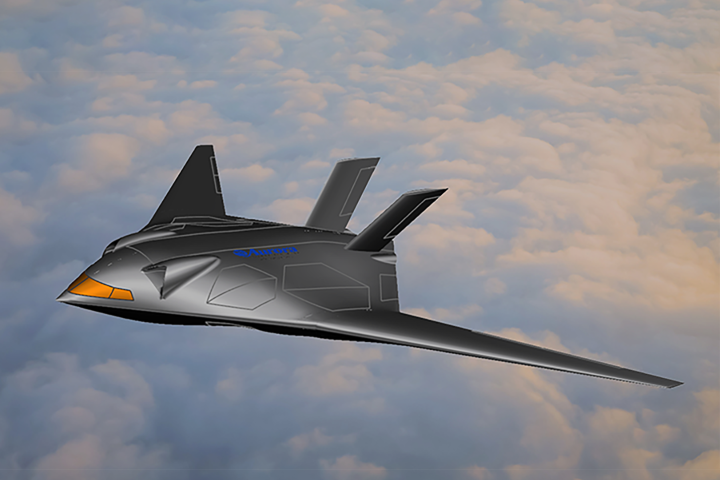 DARPA has announced the four companies that will compete for the contract to design, build and test an X-Plane demonstrator capable of high-speed cruise, hover and VTOL for its Speed and Runway Independent Technologies (SPRINT) project.
 -
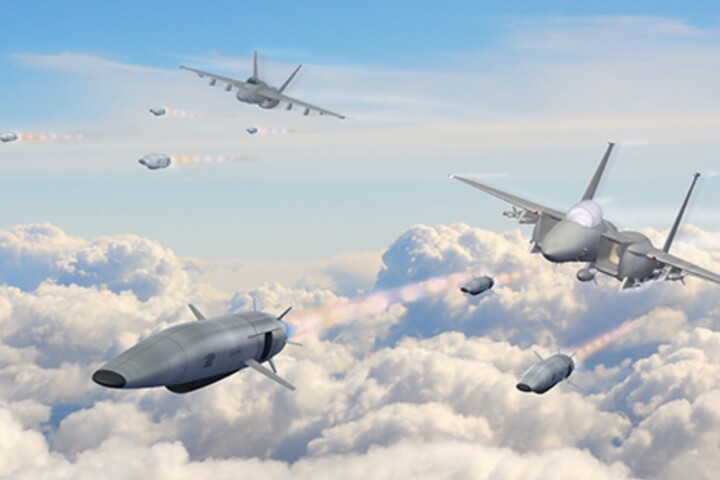 DARPA has contracted Raytheon to develop a practical version of a revolutionary air-breathing rotating detonation engine called Gambit, which would have no moving parts and could lead to lighter missiles with longer ranges at lower cost.
 -
 Boeing has been tapped by DARPA to develop and test the technology that will be required to build a prototype to intercept hypersonic missiles in the upper atmosphere as part of the agency's four-year Glide Breaker program.
Load More