
Cornell University
-
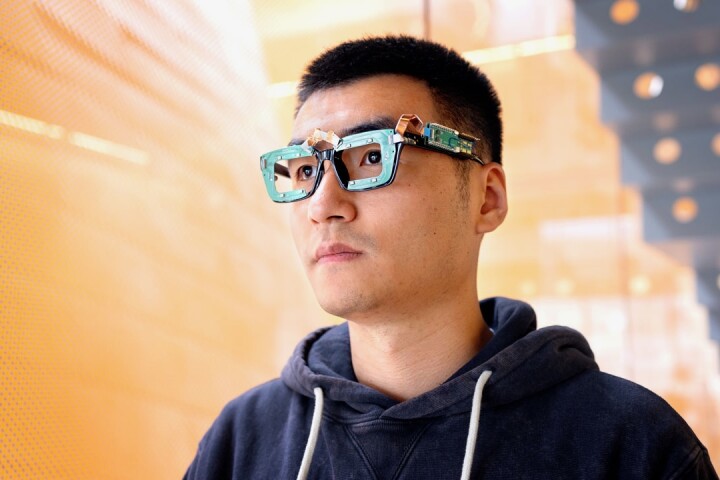 Two new technologies allow a single pair of glasses to track eye movements and read the wearer's facial expressions, respectively. The systems use sonar instead of cameras, for better battery life and increased user privacy.
 -
 While infected wounds aren't a good thing, neither is the proliferation of antibiotic-resistant bacteria which may occur due to overuse of the drugs. That's where a new type of bandage comes in, as it kills microbes without resorting to antibiotics.
 -
 A new study has found that compared to regular-strength beer, low- and non-alcoholic beers may be a breeding ground for food-borne pathogens like E. coli and Salmonella, which can be introduced during manufacturing, storage, or pouring.
 -
 Researchers developed a technique to implant a device containing insulin-secreting cells in a pocket under the skin, reversing diabetes in mice without the need for anti-rejection drugs. It could one day provide an alternative to insulin injections.
 -
 Astronomers have witnessed a phenomenon never seen before, a luminous fast blue optical transient (LFBOT) emitting more energy than hundreds of billions of stars the size of the Sun. Dubbed the Tasmanian Devil, it threw out energetic flares for months.
 -
 When it comes down to it, most telepresence robots are just remote-control tablets that can be steered around a room. The VRoxy system is different in that its robot replicates the user's movements, plus it auto-pilots itself to different locations.
 -
 For the first time, scientists have identified how the region of our brain that powers memory is made up of two very different sets of neurons: one that deals with previous associations, and one that is predictive, actively shaping future behaviors.
 -
 Technology has been very kind to bird lovers, with apps such as Merlin Bird ID allowing enthusiasts of all levels to easily identify their local feathered friends. Now, the BirdWeather PUC ups the ante to turn anyone into a global bird citizen scientist.
 -
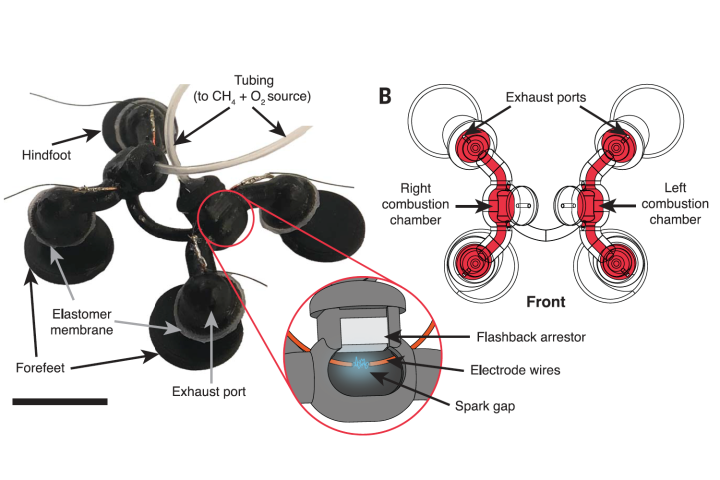 Most robots use electric actuators, but this little fella packs a lot more punch. Researchers have created a new type of minuscule combustion engine that gives this tiny frog robot explosive leaping abilities, as well as fine movement control.
 -
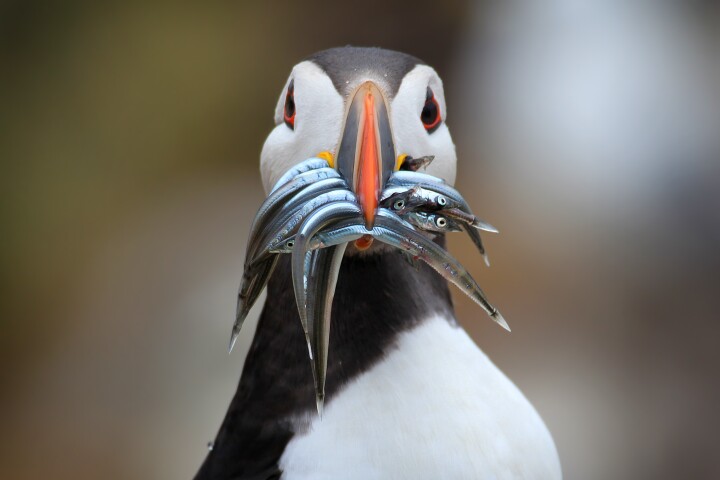 Casual bird buddies and ornithology obsessives alike can now trek to far corners of the globe and identify any feathered friend they find – as long as they have their phone with them. What's more, the Merlin app can now identify nearly every species.
 -
 Hand edema, which is a swelling of the fingers due to the accumulation of fluid, is typically treated via a hand massage performed by a therapist. A new finger-massaging glove, however, may offer a less costly and more accessible alternative.
 -
 Some people lack the power of speech, while others may find themselves in noisy settings where speaking voice commands out loud just won't work. Such folks might have use for the EchoSpeech glasses, which read their user's silently spoken words.
Load More