
Cooling
-
 Temperatures around the world are on the rise, with 2023 recently confirmed as the hottest since records began. A new study has found that bringing nature into cities could help lower temperatures during heatwaves.
 -
 While there are already clothing materials that help keep wearers cool simply by allowing heat to escape, an experimental new fabric coating goes a step further. Utilizing a whole bunch of nanodiamonds, it actually draws heat away from the body.
 -
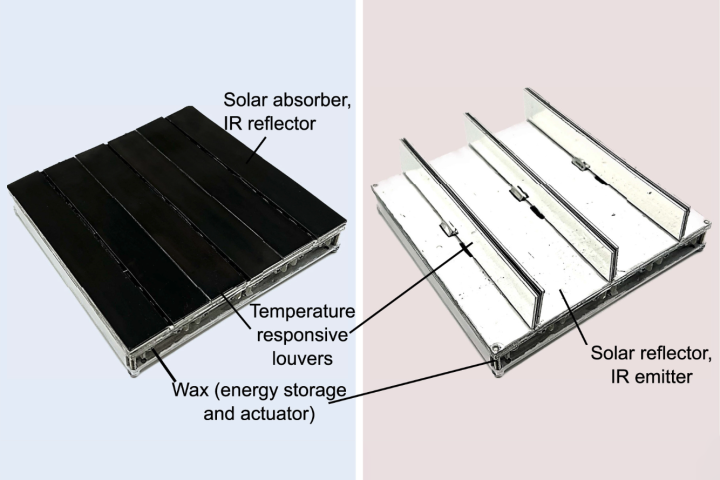 Using a temperature-driven "wax motor," researchers have created an adaptive roof tile system that helps keep a room at a comfortable 18 °C (65 °F). It delivers an extraordinary 3.1X reduction in cooling energy consumption, and 2.6X for heating.
 -
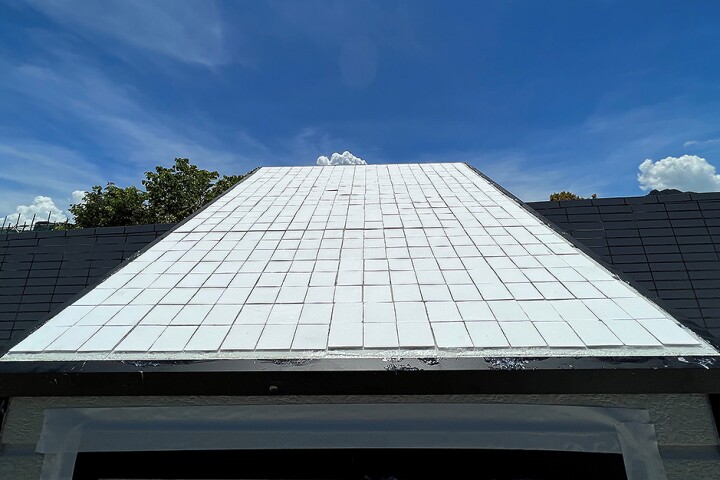 Scientists have demonstrated a new ultra-white ceramic material that drastically cools buildings, with record-high sunlight and heat reflectivity. The beetle-inspired material gets its ability from its nanostructure and should be easy to mass produce.
 -
 Back in late 2022, Frore Systems emerged from stealth with two solid-state active cooling chips for computers called the AirJet Pro and AirJet Mini. Now Chinese multinational Zotac has announced the rollout of the first mini-PC built around the latter.
 -
 Salmon are very much a cold-water fish, so they can get quite stressed when swimming up increasingly warm rivers to spawn. A new study shows that by installing "cooling stations" in those rivers, we could help the threatened fish make the trip.
 -
 The desert-dwelling Namaqua chameleon has a pretty neat trick – it changes skin color to stay cool when outdoor temperatures rise, and stay warm when they drop. An experimental new coating could one day do the same thing for our homes.
 -
 Hog barns typically aren't the nicest places to be at the best of times, but try living in one during a heat wave. Scientists at Indiana's Purdue University have developed a self-activating hog-cooling pad for just such situations.
 -
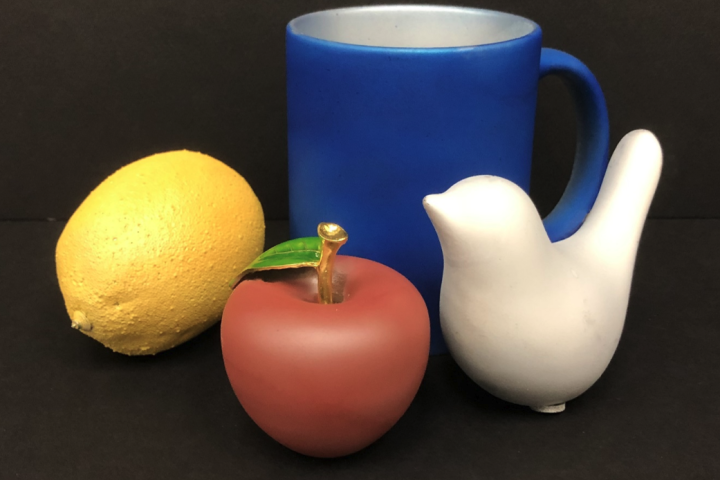 Heating and cooling account for huge portions of our energy consumption. Now scientists at Stanford have created a new type of paint that passively blocks heat from entering or escaping, and can be made in a range of colors.
 -
 If you're sitting outside on a hot day, a sun shade will only help keep you cool to a limited extent. The ecto system goes further, by pumping ice water through your outdoor chair or seat cushion.
 -
 By their very nature, rugged tablets are deigned to withstand all kinds of punishment at construction sites, on military missions or wilderness adventures. Utah's Juniper Systems claims that the Mesa Pro is the first IP68 model with active cooling.
 -
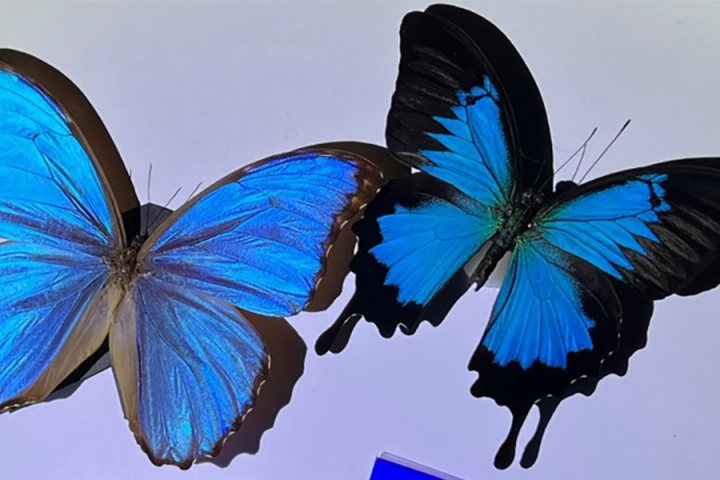 Lighter colors are cooler than darker ones, which can limit the practical palette choices for your clothes, car or house. A new material, inspired by butterfly wings, can produce vibrant colors while reflecting 100% of light to keep them cooler.
Load More