
Conservation
-
 No-one has seen the Yellow-crested Helmetshrike for about 20 years. That changed when researchers embarked on a six-week expedition in the Democratic Republic of the Congo and captured the dramatic-looking yellow-topped bird in its first-known photo.
 -
 As Australian as kangaroos, the Christmas beetle holds a special place in hearts Down Under. But December sightings of these majestic creatures have become as rare as seeing Santa. Scientists are now asking the nation to help them find out what's going on.
 -
 The eggplant emoji may be more famous in the digital world than in real life, but it's not the case for most organisms. Biologists have made the case for 'animal underdogs' to have better emoji presence to aid real-life conservation and biodiversity.
 -
 A team of conservationists have rediscovered a species of golden mole that hasn’t been seen in almost 90 years. The scientists tracked it to its home in the sand dunes of South Africa using environmental DNA (eDNA) and sniffer dogs.
 -
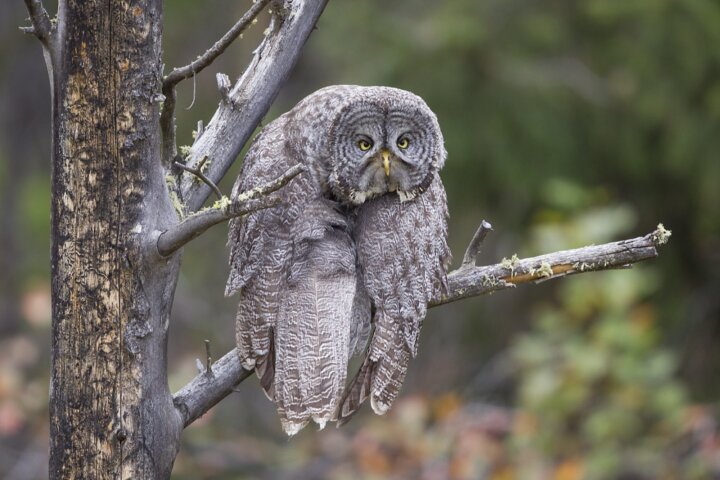 A kangaroo riffing on his air guitar, a sentient snowball, a face-planting seabird, a comically depressed owl and a twinkle-toed otter are among the funny, candid images that shone brightest in this much-loved, feel-good wildlife photography contest.
 -
 Genitalia in the animal kingdom is rarely dull, from penis 'sword' fighting flatworms, to echidnas with four-headed phalluses. Let us introduce a new odd member contender: a beetle with an appendage that looks like you could crack open a beer with it.
 -
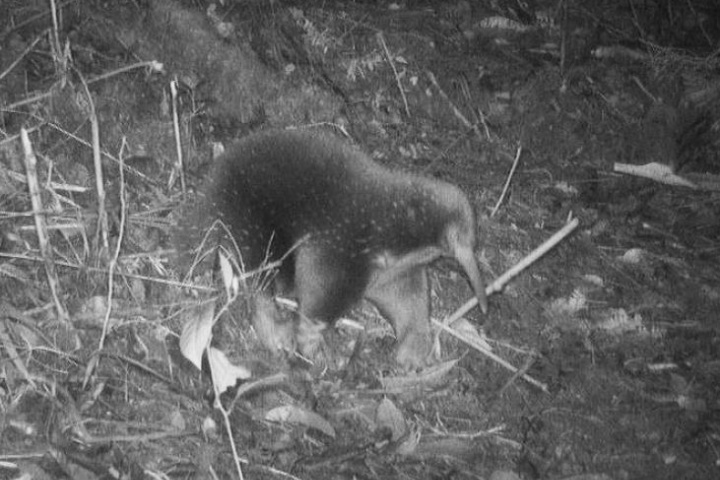 With spines like a hedgehog, feet like a mole and snout like an anteater, this bizarre animal is hard to miss. Yet it has been missing, presumed extinct since 1961 – that was until it had the audacity to saunter past a well-placed research camera.
 -
 Camera drones have made aerial photography way more accessible, but … what if there isn't much to look at where you live? That's where the NatureEye service comes in, as it allows you to remotely pilot a drone at conservation areas around the world.
 -
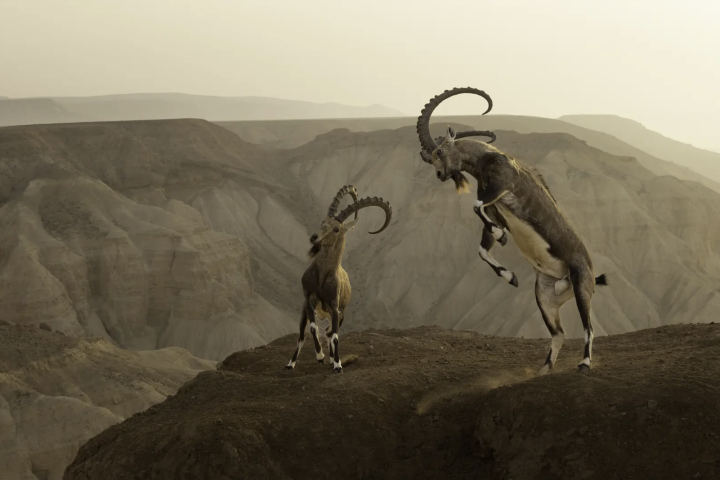 It's one of the biggest and most treasured photography contests on the planet, and this year attracted a massive 49,957 entries. But there could be only a handful of winners. We present the standouts, offering a rare glimpse into the natural world.
 -
 Technology has been very kind to bird lovers, with apps such as Merlin Bird ID allowing enthusiasts of all levels to easily identify their local feathered friends. Now, the BirdWeather PUC ups the ante to turn anyone into a global bird citizen scientist.
 -
 Although artificial reefs certainly do help restore damaged marine ecosystems, they're usually made of heavy manmade materials that must be formed into shape. Now, however, scientists are reporting success using readily-available dead pear trees.
 -
 With grim predictions that all polar bears may be wiped out by the end of the century, it’s vital scientists find a way to better monitor the beasts to see if conservation efforts are having any impact. So they decided to 'fingerprint' them using DNA.
Load More