
Coatings
-
 Scraping ice off your car window might get a lot easier in the future thanks to a new spray coating developed by scientists in Austria. That's because of the way the molecules line up – or don't – during its high-tech creation process.
 -
 It was just this August that we heard about a super-slippery 3D-printed toilet bowl, which bacteria slide right off of. Well, if you want that same sort of functionality in your existing toilet, a special coating may do the trick.
 -
 Hospitals are meant to heal people, but patients often pick up superbugs during their stay. Scientists have now developed long-lasting antimicrobial coatings for textiles that could allow hospital curtains to quickly kill viruses and bacteria.
 -
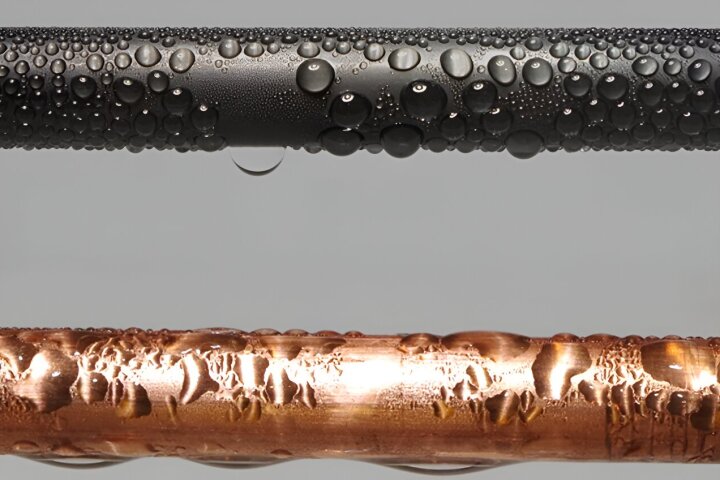 Weaning the world off fossil fuels will take time, so finding ways to make energy generation more efficient is still important. A new coating for steam condenser pipes could, if rolled out widely, add more than a Russia’s worth of extra power per year.
 -
 It may be delicious and healthy, but fruit is frustratingly fickle, often going bad quickly in the fridge. Now, researchers in Thailand have developed an invisible, edible coating made with cannabidiol (CBD) that can preserve fruit for much longer.
 -
 Bacteria often get a bad rap, but in many cases they’re helpful little critters. Engineers have now developed a protective coating for buildings that’s loaded with bacteria, which absorb CO2 to produce a barrier against erosion by the elements.
 -
 A versatile new material helps in the ongoing battle against corrosion. The polymer coating not only protects against corrosion, but highlights cracks as they form, automatically repairs damage to itself, and can be recycled at the end of its life.
 -
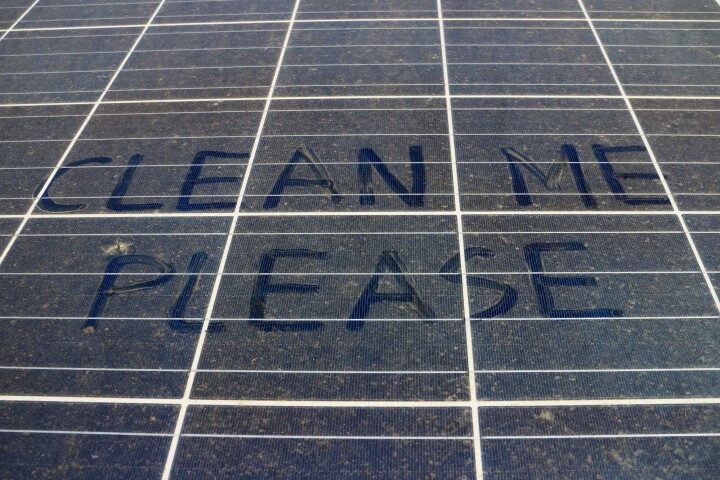 Solar panels can’t operate efficiently if they’re caked in dirt, but cleaning them regularly can be a time-consuming process. Engineers in Germany have now developed an ultra-thin coating that can make solar panels and other surfaces self-cleaning.
 -
 While anti-fog sprays work to a certain extent, warming a glass surface is a better way of keeping it fog-free. A new coating material is designed to do so, and it utilizes light-absorbing gold nanoparticles instead of electricity.
 -
 Although there are coatings that kill harmful microbes on frequently touched surfaces, most of those substances either have to be frequently reapplied, or they take a long time to work. A new coating, however, is claimed to address both shortcomings.
 -
 Finding a scratch on your car is a special kind of heartbreak, but in the future they might be gone before you even notice. Scientists in Korea have developed a coating that self-heals scratches in as little as 30 minutes when exposed to sunlight.
 -
 Copper is known for its ability to kill microbes on contact, which is why it's often professionally coated onto commonly touched items. A copper nanowire spray may allow everyday folks to give existing surfaces the same treatment, using a spray can.
Load More