
Cells
-
 As common as asthma is, exactly how it starts remains murky. Scientists have now identified a new root cause, and importantly a new angle for treating the disease that can prevent the main symptoms.
 -
 We’re edging closer to seeing a live mammoth for the first time. Colossal Biosciences, a company dedicated to the controversial-but-unquestionably-cool goal of resurrecting extinct species, has made a breakthrough in creating elephant stem cells.
 -
 Scientists have boosted the motility of slow sperm by blasting the cells with 40-MHz ultrasound waves to induce movement. Capturing the technique's impact on individual sperm cells, the study opens the door to new non-invasive fertility treatments.
 -
 Korean scientists have taken muscle and fat stem cells from cows and transplanted them into grains of rice. The end result is a new, high-protein food that should be cheap, environmentally friendly, and useful for famines, military or space travel.
 -
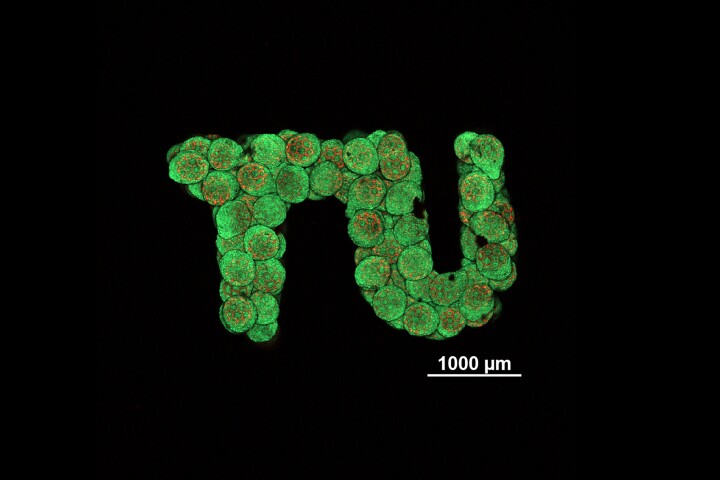 Researchers at TU Wien have developed a new way to grow cartilage from stem cells and guide it into basically any shape required. The breakthrough could lead to better ways to patch up injuries.
 -
 Researchers have discovered a never-before-identified type of memory B cell, an immune cell that ‘remembers’ what a person is allergic to, potentially opening the door to new therapeutics to treat allergies, including life-threatening food allergies.
 -
 We've all heard "to follow one's nose" when it comes to trusting your gut. Now, scientists have found that the brain does exactly this, when previously unknown decision-making time cells fire up and evoke a rapid physical response to certain smells.
 -
 White blood cell numbers can be cut by health conditions or treatments like chemotherapy. Yale scientists have now discovered a molecule that can be given to quickly boost their numbers back up, to help fight off infections without antibiotics.
 -
 Researchers have reprogrammed CAR T cells to target senescent cells that contribute to aging and later-life diseases, improving health and metabolism in old mice and causing young ones to age slower, protected from age-related diseases for life.
 -
 Scientists have discovered a new contender in the quest to hack the human aging process, and it's within each of our cells. They believe this breakthrough may have far-reaching implications for how we approach premature aging and age-related diseases.
 -
 The most comprehensive genetic map of oral stem cells to date has provided new insight into their specialized development pathways and opens the door to targeted regenerative medicine and interventions, such as therapies to grow or repair bone.
 -
 Researchers identified the cells that can lead to breast cancer in women with mutated BRCA2 gene and uncovered their vulnerability. Targeting them with an existing drug slowed tumor progression, opening the door to a new breast cancer prevention strategy.
Load More