
Bridge
-
 Treyam is a spectacular new project that will bridge a lagoon with a massive 450-m-long infinity pool and hotel. It joins a slew of futuristic designs set to transform the Saudi Arabian desert into a tourist destination as part of the Neom development.
 -
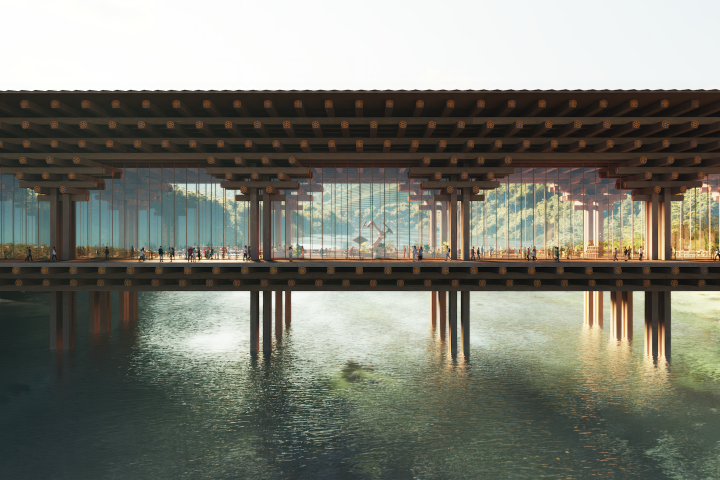 The Bjarke Ingels Group has revealed plans for a massive new development in Bhutan. Named Gelephu Mindfulness City, it will be designed around several eye-catching bridges that serve as both crossings and important buildings.
 -
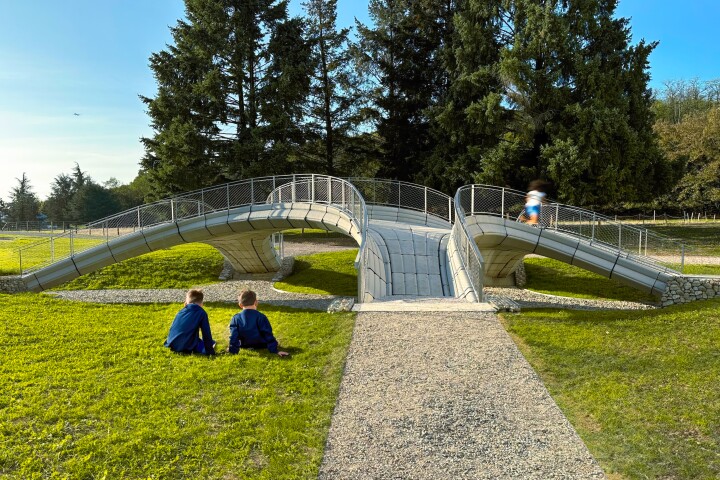 Humans have been building walls, bridges, and other structures without any steel or mortar reinforcement for a long time. A team led by Holcim has put a 3D-printed spin on the idea, and hopes to use it to revolutionize modern infrastructure.
 -
 Production of the cement used in concrete is a major cause of CO2 emissions, so Provencher Roy used an alternative for two bridges in Canada. They were built from concrete that contained recycled glass, reducing its greenhouse gas footprint.
 -
 Zaha Hadid Architects continues its recent focus on China with an attractive new bridge. Named the Chengdu West First Bridge, it showcases the firm's trademark style with an elegant curving form that's designed to stand up to extreme weather.
 -
 The co-creator of the High Line, James Corner Field Operations, has teamed up with Skidmore, Owings & Merrill to extend the raised walkway with an attractive new timber bridge that contrasts with the gleaming modern skyscrapers in NYC.
 -
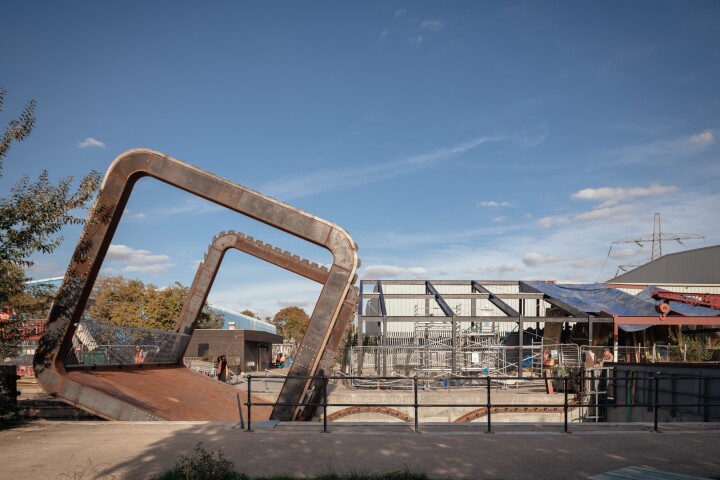 Admittedly, this footbridge isn't the easiest, nor the most practical way to get people from one side of a river to another – but it might be one of the most creative. The unique crossing rolls 180 degrees to make space for boats to pass under it.
 -
 Monitoring the structural integrity of heavily used and aging bridges is complex work that often involves arrays of costly sensors, but new research has demonstrated how smartphones might one day do the heavy lifting.
 -
 With concrete being a major contributor of carbon emissions, a team led by the Eindhoven University of Technology is researching whether flax could be used as a greener building material, and to this end has completed a sensor-packed footbridge.
 -
 A first-of-its-kind 3D-printed concrete bridge has been unveiled in Venice, Italy. The bridge is a demonstration of a new 3D printing method resulting in a structure requiring no mortar or steel reinforcement.
 -
 MX3D has finally realized its ambitious plan to install the world's first 3D-printed steel bridge over a canal in Amsterdam. The public bridge features integrated sensors to collect data on its structural integrity, crowd behavior, and more.
 -
 Those nervous of heights should definitely steer clear of the newly completed 516 Arouca bridge. As its name suggests, it spans a total of length 516 m and is hailed as the world's longest pedestrian suspension bridge by Portuguese officials.
Load More