
Bones
-
 Researchers regenerated damaged bone in mice by creating a scaffold that combines a piezoelectric framework and the growth-promoting properties of a naturally occurring mineral. The novel “bone bandage” has wide-ranging potential applications.
 -
 The most comprehensive genetic map of oral stem cells to date has provided new insight into their specialized development pathways and opens the door to targeted regenerative medicine and interventions, such as therapies to grow or repair bone.
 -
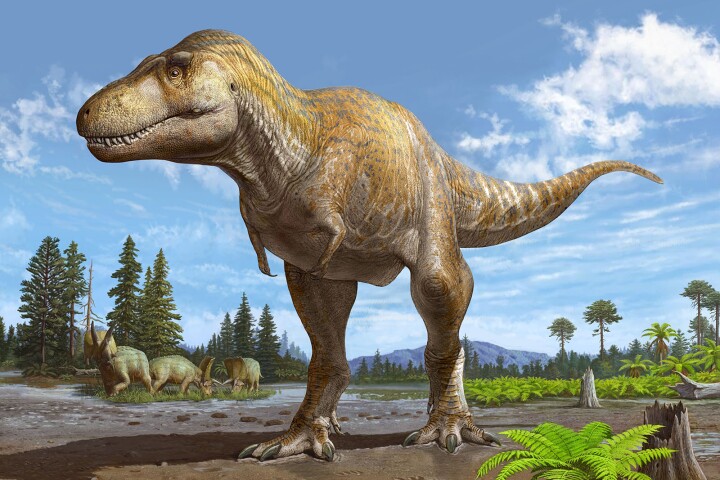 If T. rex is too mainstream, discerning 10-year-olds may now have a new answer when asked their favorite dinosaur – Tyrannosaurus mcraeensis. The newly identified species appears to be more primitive than its famous cousin, but just as big and scary.
 -
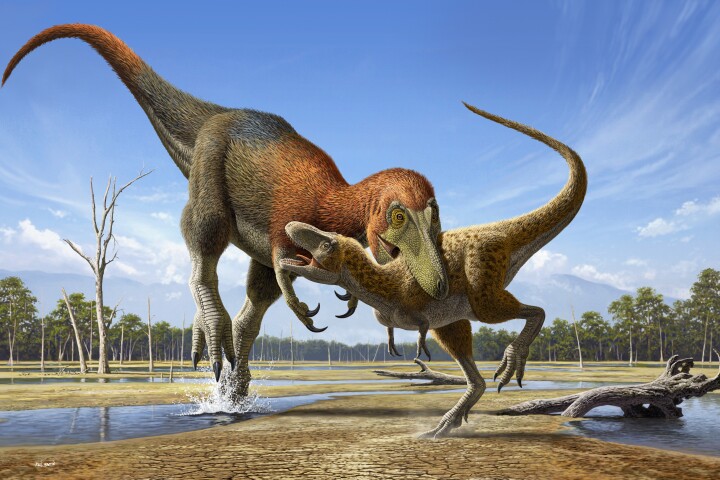 The debate rages on about the identity of fossils of small tyrannosaurs. A new study claims to have found evidence that a mini tyrannosaur species stomped around alongside its famous, giant cousin – but other scientists aren’t convinced.
 -
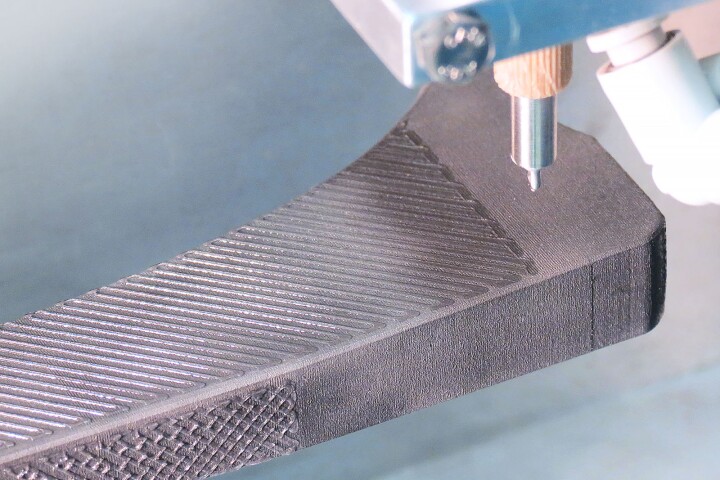 If you've ever tried pulling a mussel off a rock, you'll know that they're good at holding on. The secret to their success is a natural adhesive, which has been replicated in a glue that could help keep orthopedic implants attached to bone tissue.
 -
 For the first time, scientists have found how our internal body clocks that govern the brain and skeletal system sync up, and upsetting this balance might contribute to injury and accelerate age-related bone and joint decline and disease.
 -
 When treating broken bones, doctors want new bone tissue to grow back ASAP, and they also want to keep the wound site from becoming infected. Scientists have developed an implantable composite material that reportedly delivers on both counts.
 -
 More than 300,000 Americans aged 65 and older are hospitalized for hip fractures each year. But researchers have found that even tiny lifestyle changes can boost bone strength to a level that greatly reduces the incidence of these serious fractures.
 -
 RNA therapies are emerging as a promising treatment for cancer. Now, scientists at Tel Aviv University have demonstrated a way to use RNA drugs to treat multiple myeloma, a hard-to-reach cancer that forms deep in bone tissue.
 -
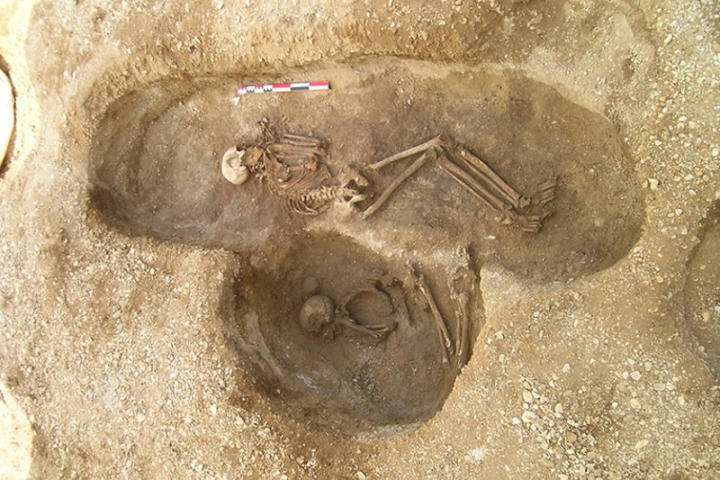 Anthropologists have assembled the most complete Stone Age family tree, spanning 7 generations. Genetic studies of the remains of dozens of people in a burial site in France reveal some surprising insights into family and social dynamics of the time.
 -
 Researchers have used machine learning to assess bone density scans for calcification in the aorta, the body’s main artery. They say their method could be used to predict future cardiovascular and other disease, even before symptoms appear.
 -
 Cannibalism among our ancestors is not a surprise, but scientists have been taken aback to find clues of this behavior that hail from 1.45 million years ago. Precision cuts made with a stone tool suggests there were some skilful butchers around too.
Load More