
Blood
-
 Researchers have developed a blood test that can accurately detect whether someone has been awake for 24 hours or more. They foresee the test being used like those that measure alcohol concentration or test for the presence of drugs in drivers.
 -
 A new technique, which involves melting bacterial DNA found in blood samples, could deliver diagnoses of potentially fatal infections faster than ever before. Results may be obtained in a few hours, instead of days.
 -
 It can be hard to motivate yourself to take preventative measures against heart attack, if you don't know if you're even at risk of having one. According to new research, however, a standard blood test can now provide that information.
 -
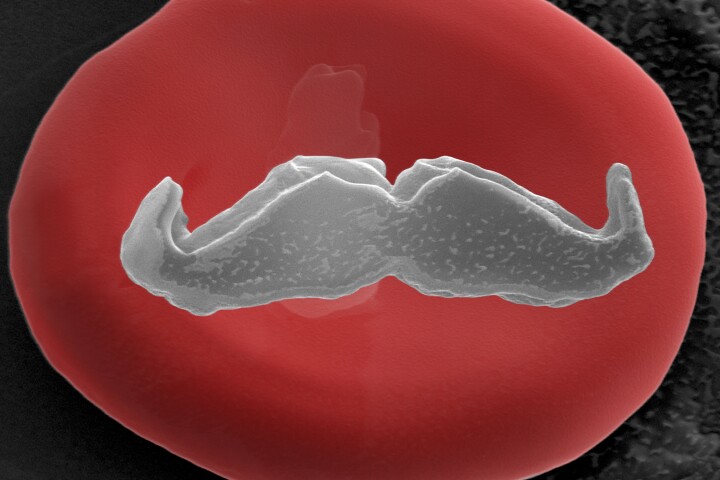 Australian scientists have created the world’s smallest moustache, tiny enough to be modeled by a single red blood cell. Measuring just 5 microns wide, the micro-mo was designed to raise awareness for men’s health.
 -
 People with high blood pressure may soon be able to swap the daily pills for an injection every few months. A phase 2 clinical trial has shown that Zilebesiran can drastically reduce blood pressure for long periods of time with no side effects.
 -
 Researchers have identified a blood protein that can diagnose gastric and other cancers and is more accurate than existing biomarkers, even in the early stages of the disease. It may lead to the earlier diagnosis of these often stealthy cancers.
 -
 Researchers have developed a quick, cheap, and highly sensitive blood test to detect a telltale protein produced by cancer cells. The test can pick up a range of cancers before symptoms appear and could be key to early diagnosis of the disease.
 -
 Researchers have developed a simple blood test that improves the diagnosis of bipolar disorder, a commonly misdiagnosed condition. The test could ensure that people receive the correct treatment and identify potential drug targets for mood disorders.
 -
 Researchers have found that red blood cells have an innate ability to trigger a pathway that protects the heart from injury during periods of low oxygen, such as during a heart attack. The discovery could lead to new drugs that activate this pathway.
 -
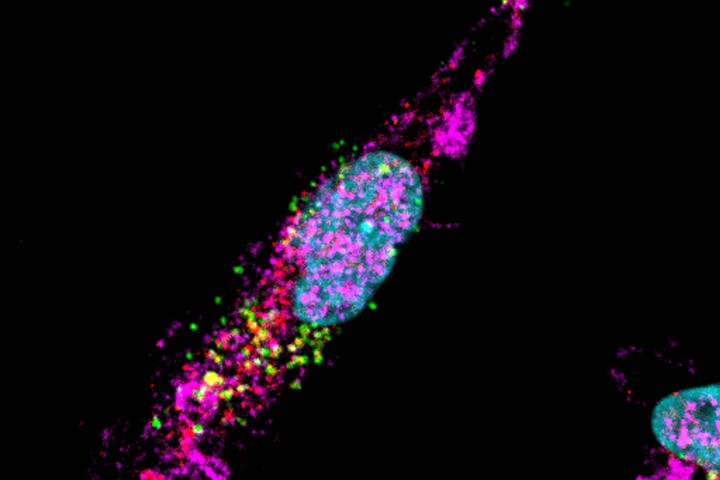 Researchers have discovered the way that red blood cell particles interact with white blood cells called macrophages to reduce the formation of fatty deposits on arterial walls, offering a potential treatment for this common condition.
 -
 Researchers have found that inflammation leads to changes in the makeup of blood plasma that slow the growth of the parasites that cause malaria. They hope their discovery may one day be used to control or even prevent the disease.
 -
 In a glimpse of what could become a future Black Mirror episode, scientists have hooked the circulatory systems of old mice to young mice, and found that it slows the aging process in the older animals and increases their lifespan by up to 10%.
Load More