
Blind
-
 There are many situations in which blind people don't necessarily have to see what they're holding, they just need it described to them. An experimental new wearable device, known as AiSee, is designed to do that very thing.
 -
 While there are already apps that guide blind users to a bus stop's GPS coordinates, those people may unknowingly end up standing too far away from the actual stop. A new app addresses that shortcoming, by letting the phone's camera in on the act.
 -
 While blind people are able to enter text into computers via braille keyboards, their options are more limited when it comes to using smartphones. The Fintin V1 is made to help, by compressing a full QWERTY keyboard into six multi-functional keys.
 -
 Table tennis is one of those sports that most people would likely assume is simply unplayable by the blind. An Australian student, however, is now using cameras and speakers to get unsighted individuals in on the ping pong action.
 -
 Neuroscientists have shown that blind people recognize basic faces using the same brain regions as sighted people – even if the face shapes are delivered as audio rather than through the visual cortex – in an interesting look into neuroplasticity.
 -
 The traditional white cane may never become completely obsolete, but there certainly are a number of devices that could give it a run for its money. One of the latest is the GUIDi, which guides blind users via cameras and buzzers on a belt.
 -
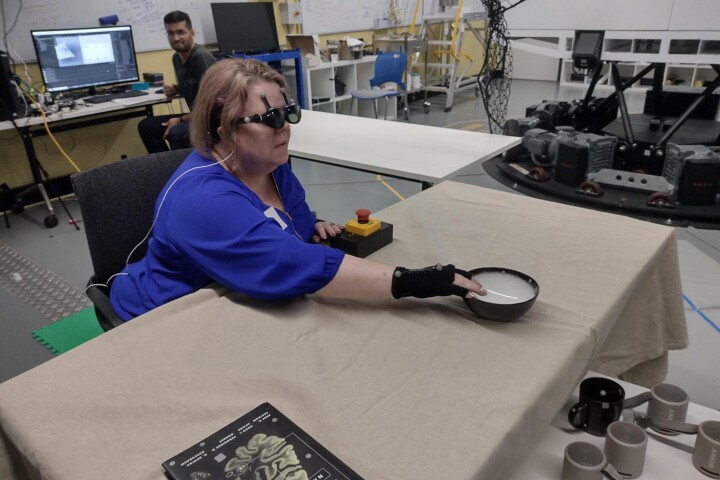 Inspired by bats’ use of echolocation, researchers have developed smart glasses that transform visual information into unique sound representations that enhance the ability of blind and vision-impaired people to navigate their surroundings.
 -
 Blind people using white canes are limited in how fast they can walk, as they have to wait for their cane to hit obstacles before going around them. The NextGuide cane is different, in that it steers users around obstacles that they've yet to reach.
 -
 Sony has paired with QD Laser to create a retinal projection camera kit. By bypassing the outer layers of the eyes, the kit allows those who would otherwise have difficulty doing so see and capture the world around them.
 -
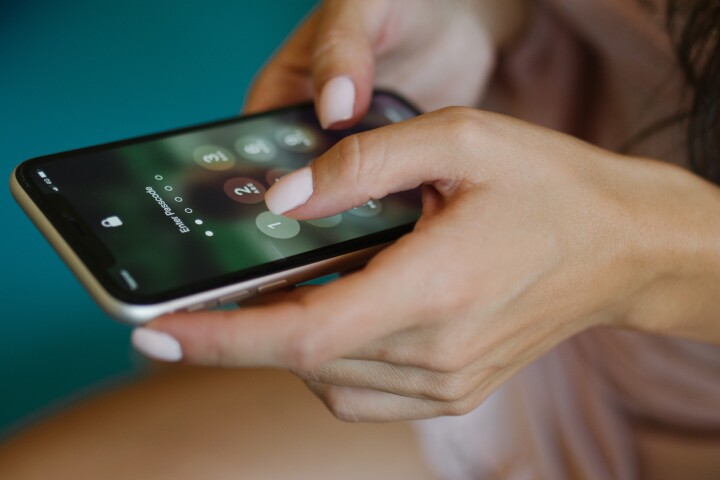 Entering passcodes on smartphones can be difficult for the blind, as they can't see the screen, nor can they tell if someone else is peeking at it. The OneButtonPIN app is designed to help, by utilizing vibrations instead of visuals.
 -
 There's a belief that when someone loses one ability, another improves correspondingly. New research bears this out – in one scenario, at least – as it indicates that blind people remember spoken information better than their sighted counterparts.
 -
 Self-driving cars already utilize cameras to avoid collisions with other vehicles or pedestrians. Well, the biped wearable device applies that same principle to guiding the blind as they walk along city streets.
Load More