
Biotechnology
-
 It's super-sustainable, easily made and nutrient-dense. And it puts all other food production to shame. Now, the first air-protein factory is open. It's the food of the future, and soon a $100 million industry – but will you be putting it on your plate?
 -
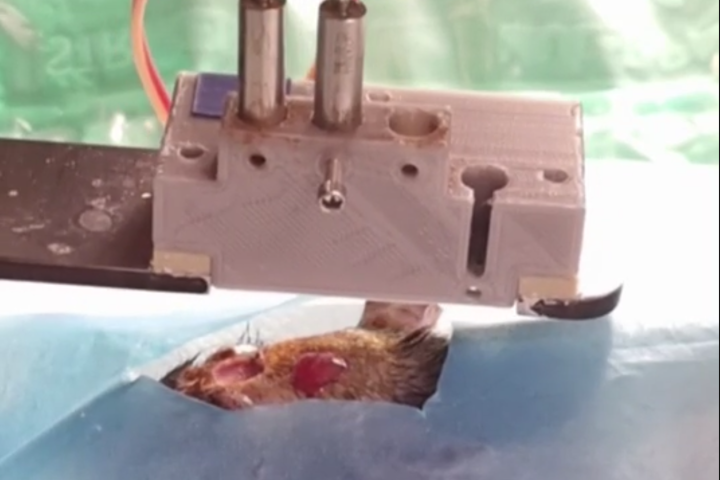 In a world first, researchers have printed multi-layered, living skin directly onto significant injuries in rats for scar-free skin repair. It's not sci-fi – they're genuinely 3D-printing skin (and possibly hair) right into damaged areas.
 -
 It slices, it dices, it's super strong and conductive, and now an ultra-pure form of ‘wonder material’ graphene has been inhaled during a human trial without affecting lung or cardiovascular function, opening the door to a novel drug delivery mode.
 -
 Scientists believe lightweight, ultra-strong and flexible spider silk is now one step closer to commercial use thanks to a deceptively complex 'box' that can spin nature's wonder fiber in a "spontaneous, extremely rapid, and highly reproducible" way.
 -
 The first drug to prevent heart attack and stroke cell damage is now one step closer to reality, after the K’gari funnel-web spider venom molecule Hi1a got a green light from independent safety studies, and more is learnt about its unique efficacy.
 -
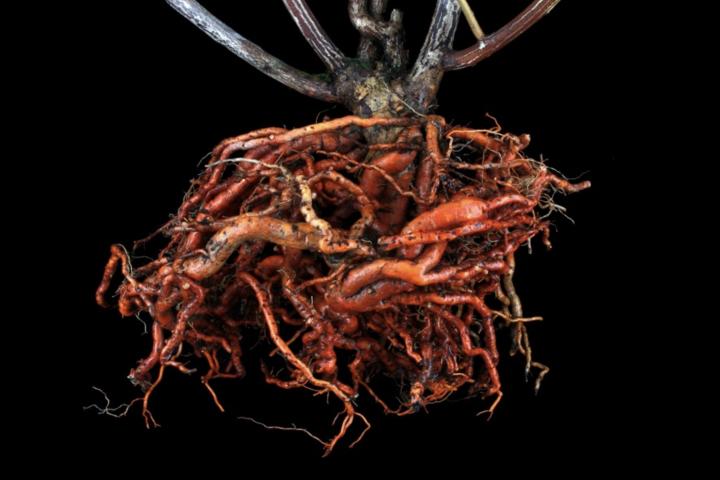 A plant known as the “Seven Steps of Death” holds within its poisonous growth a hotly touted anti-obesity compound, celastrol. For the first time, this compound has been genetically mapped and then synthesized safely, purely and quickly in a yeast host.
 -
 A house made of mucus may not sound like a desirable abode, yet researchers have found that the crafty animal creating such an unappealing structure may help engineers design cheaper and more efficient pumps for industrial uses like water filtration.
 -
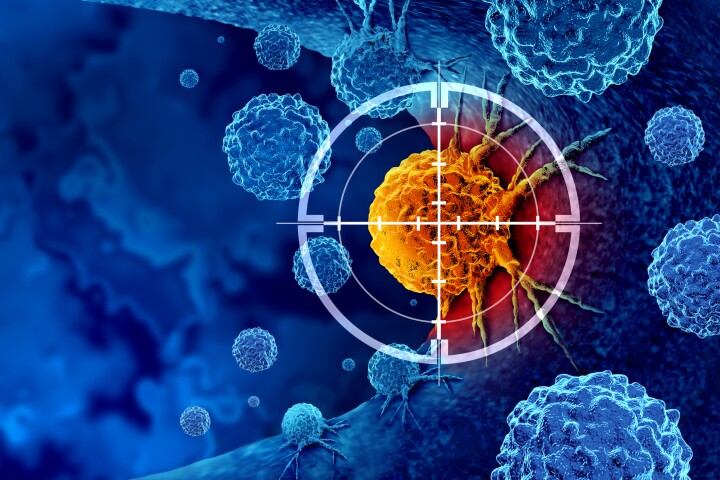 Researchers have harnessed the cancer-destroying abilities of the body’s natural killer cells. Nanodrones selectively target a tumor, enabling the killer cells suppress cancer growth, opening the door to novel, cancer-specific immunotherapies.
 -
 Following on from the discovery of programmable DNA-cutting enzymes Fanzors, scientists have identified more than 3,600 Fanzors in a broad set of species. It presents a massive opportunity in the development of new medicines, gene therapy and biotech.
 -
 The world is edging closer to fully functional prosthetic limbs, with the success of the bionic Mia Hand. This futuristic piece of biotech connects to the nervous and skeletal systems to offer 80% of normal, daily use to someone who has lost a hand.
 -
 For the first time, scientists have combined six primary skin cell types with hydrogels to ‘print’ a thick, multilayered skin that, when transplanted, successfully integrated with surrounding tissue to heal wounds more rapidly and with less scarring.
 -
 When you take 800,000 human brain cells, wire them into a biological hybrid computer chip, and demonstrate that it can learn faster than neural networks, people have questions. We speak to Dr. Brett Kagan, Chief Scientific Officer at Cortical Labs.
Load More