
Biomimicry
-
 A new octopus-sucker-inspired suction cup could make it much easier and more energy-efficient for robots to lift and release rough-surfaced objects. The secret lies in using water to mimic octopus mucus.
 -
 Penguins are fast, fantastic swimmers, so why not make an underwater robot inspired by them? That's just what German underwater tech company EvoLogics has done, with its new-and-improved Quadroin AUV (autonomous underwater vehicle).
 -
 A new underwater robot can swim through the water with fins, and walk or crawl along the bottom when necessary. These capabilities could really give it a leg up – pun fully intended – at outperforming its traditional thruster-powered counterparts.
 -
 BlueNav is bringing a more natural spin to its electric marine drive lineup. The all-new Whale Design propeller features blades that follow the contours of a whale to improve system efficiency.
 -
 Danish scientists have developed an origami snake robot that could one day search for survivors at disaster sites, or even explore other planets. The device moves via rectilinear locomotion, just like real snakes often do.
 -
 Scientists have created a 3D-printing media that can take on different colors in different parts of a single print job. The secret lies in utilizing ultraviolet light to selectively alter the surface structure of the material as it's being dispensed.
 -
 A fruit fly's pinhead-sized brain is not the place you'd expect find inspiration for new robotics. But in a bold move, researchers have built a speedy robot with a 'brain' based on the insect's low-energy, highly efficient navigational neural network.
 -
 FinX has developed an outboard motor that allows boats to move through the water more naturally, like sea creatures. Its design cuts out the propeller and replaces it with a fin-like undulating membrane directly inspired dolphins and jellyfish.
 -
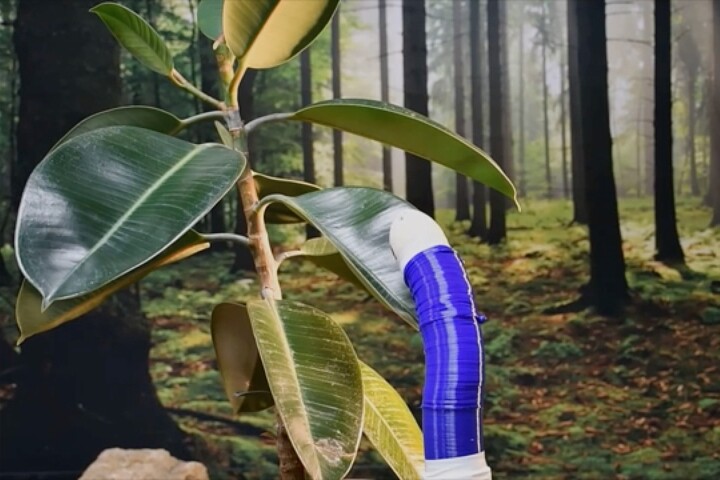 When it comes to tasks like the exploration of unstructured environments, traditional robots may be stymied by obstacles such as uncrossable gaps. That's where the FiloBot comes in, as it grows like a self-supporting vine.
 -
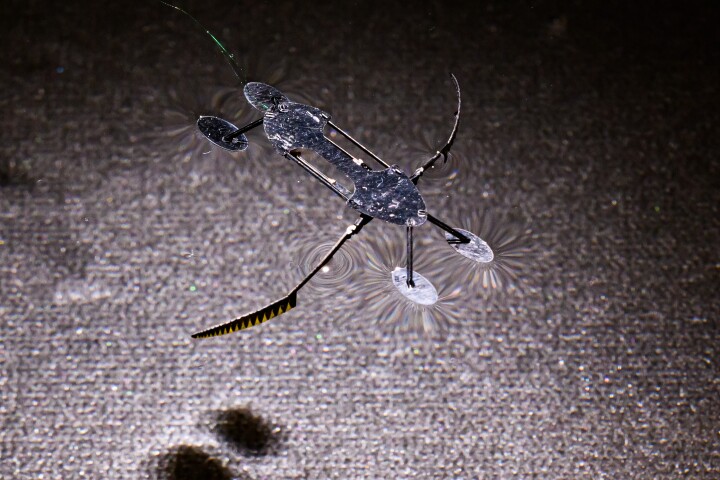 Water striders are fascinating to watch, as they scoot across the water while supported by surface tension. Scientists have now built a tiny robotic version of the insect, which utilizes a record-breaking actuator to get a move on.
 -
 Four years ago we told you about the MetaFly, a remote-control flapping-wing flying model insect made by French startup Bionic Bird (which did previously release a model bionic bird). Well, the company is now back with the new-and-improved X-Fly.
 -
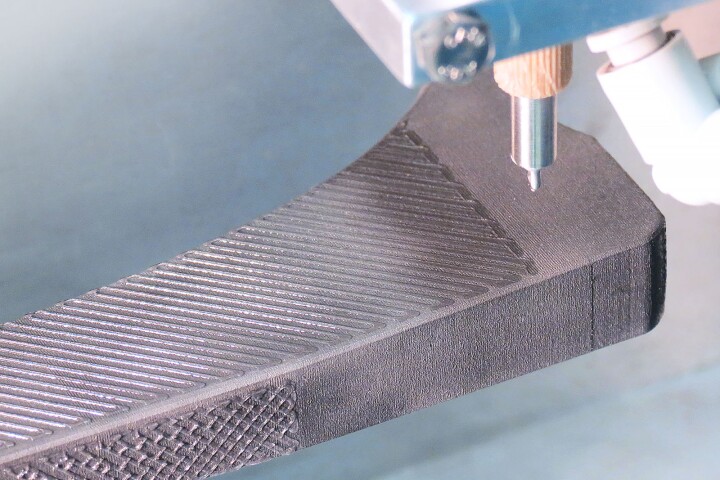 If you've ever tried pulling a mussel off a rock, you'll know that they're good at holding on. The secret to their success is a natural adhesive, which has been replicated in a glue that could help keep orthopedic implants attached to bone tissue.
Load More