
Biodiversity
-
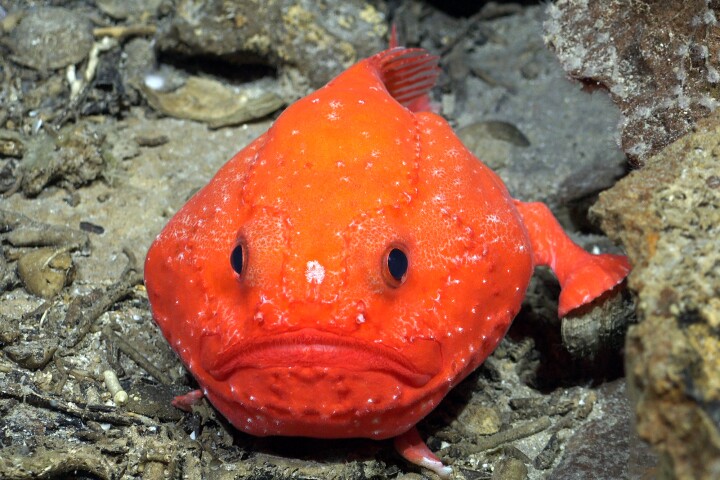 An underwater expedition off the coast of Chile has discovered 160 species not known to live in the region, at least 50 of which are new to science. The information will inform marine protection strategies for important regions in international waters.
 -
 As Australian as kangaroos, the Christmas beetle holds a special place in hearts Down Under. But December sightings of these majestic creatures have become as rare as seeing Santa. Scientists are now asking the nation to help them find out what's going on.
 -
 The eggplant emoji may be more famous in the digital world than in real life, but it's not the case for most organisms. Biologists have made the case for 'animal underdogs' to have better emoji presence to aid real-life conservation and biodiversity.
 -
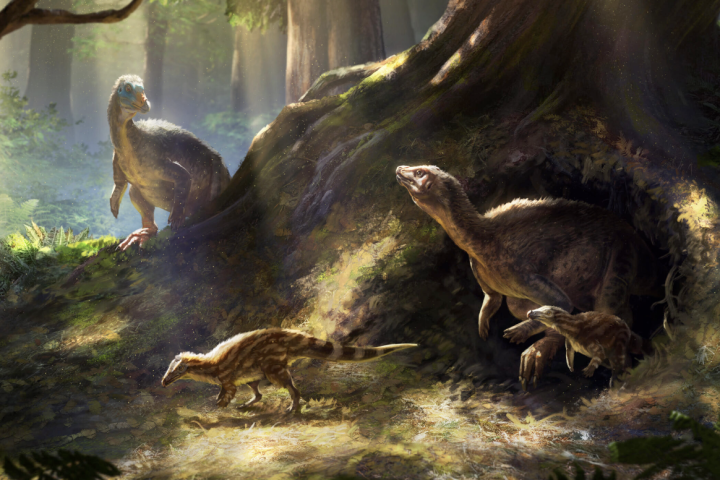 It's been called plain and boring, but this Thescelosaurus species has now had its sad reputation upended, thanks to fascinating sensory discoveries that suggest it lived a unique, successful life underground, beneath the feet of its fearsome predators.
 -
 A new genus and species of ancient sea worm with an impressive set of star-shaped chaetae has been identified, after its fossil first puzzled paleontologists. Thanks to its alien-worm-like appearance, scientists found a fittingly sci-fi name for it.
 -
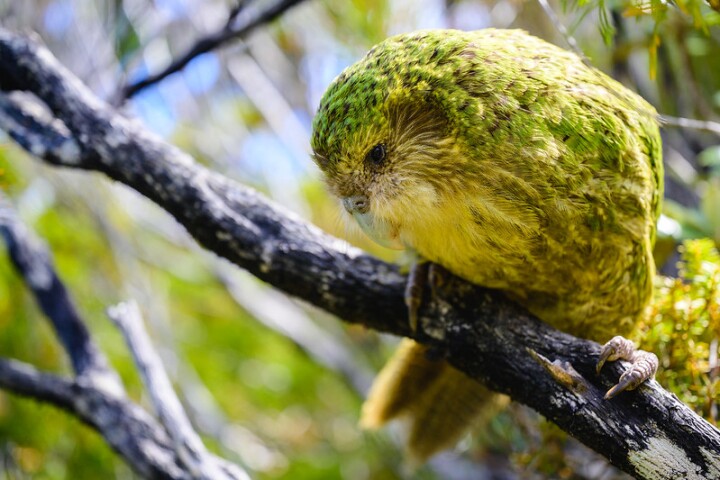 In 2009, one frisky bird put a spotlight on his extremely endangered species when he mounted a zoologist’s head and proceeded to show the world his best mating skills. Now, in another bold move, four of his flock are returning to New Zealand's mainland.
 -
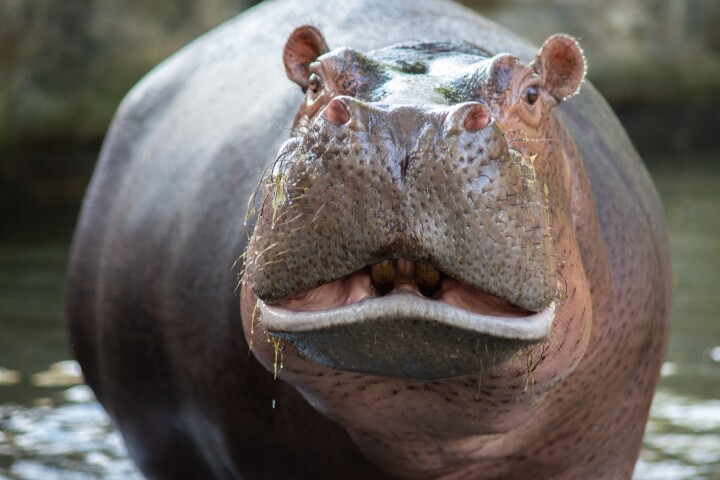 Drug lord Pablo Escobar may be long gone, however he’s still wreaking havoc on his native Colombia thanks to his escaped hippos. Scientists have now discovered there are twice as many as previously thought, and they don't know what to do about it.
 -
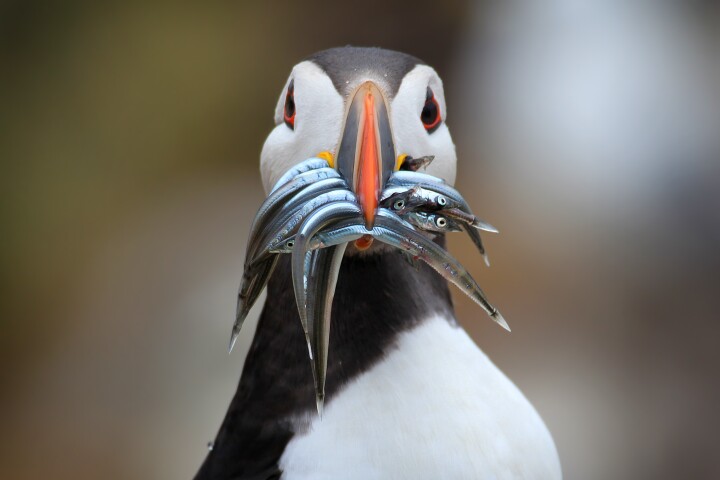 Casual bird buddies and ornithology obsessives alike can now trek to far corners of the globe and identify any feathered friend they find – as long as they have their phone with them. What's more, the Merlin app can now identify nearly every species.
 -
 A team led by researchers from the University of New South Wales in Australia has established a new platypus colony in the Royal National Park on the banks of the Hacking River outside of Sydney for the first time in more than half a century.
 -
 With their little flipper-like wings, these seabirds aren’t exactly candidates for being adept at pumping iron. But, in fact, they are: more than a million pounds of iron flows from their poop into the water annually, and it's crucial for ocean life.
 -
 After nearly 20 years of negotiations, 193 nations have come together to draft the High Seas Treaty, an agreement that will set the world on track to protect 30% of international waters, fund marine conservation and better regulate sea-bed mining.
 -
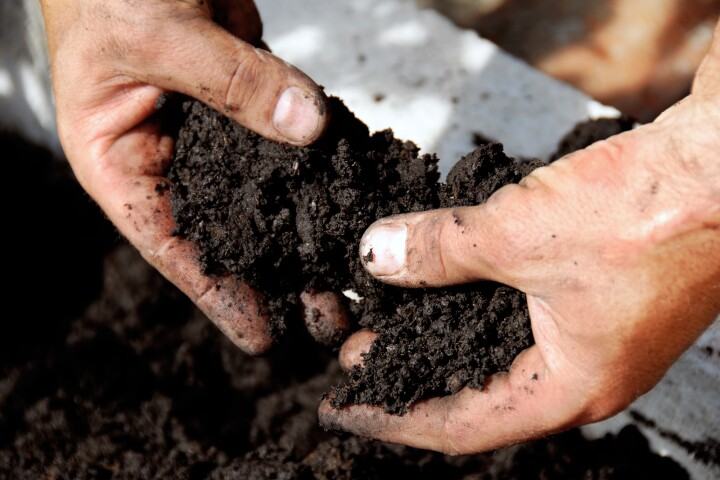 In a new study, scientists from China, Europe and Australia have examined how rapid urbanization has affected an often overlooked area of biodiversity, soil biodiversity, and how it has impacted human health.
Load More