
Biodegradable
-
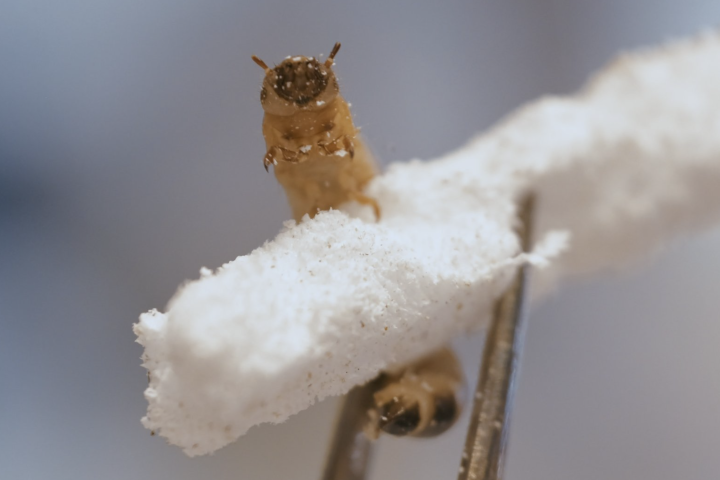 Scientists have created a lab-grown microbiome like the one found in a tiny plastics-munching worm, and it has the potential to efficiently and sustainably biodegrade the world's most common and troublesome plastics – all without the need for the worms.
 -
 When it comes to cleaning up marine oil spills, it's best if you can use a material that separates the oil from the seawater. Scientists have created a new organic membrane which does exactly that, and it's derived from oyster mushrooms.
 -
 Scientists believe lightweight, ultra-strong and flexible spider silk is now one step closer to commercial use thanks to a deceptively complex 'box' that can spin nature's wonder fiber in a "spontaneous, extremely rapid, and highly reproducible" way.
 -
 Japanese scientists have developed a new type of plastic that can easily break down on demand into its base components. In seawater it starts to break down into food for marine life, and just to top it off, it can self-heal and remember past shapes.
 -
 It was just last month that we heard how waste coffee grounds could be utilized to boost the strength of concrete. Well, new research shows that such otherwise-unwanted grounds could also be used to 3D-print plant pots, single-use cups and more.
 -
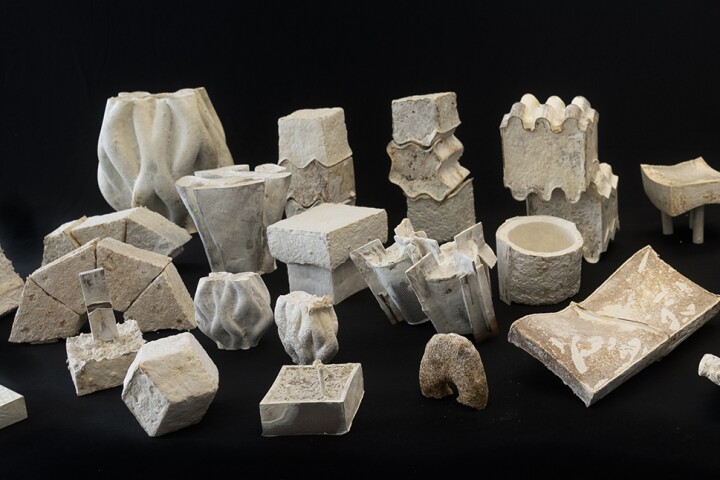 Focused on creating a greener future, the UK’s PLP Architects have collaborated with nature to create a renewable, biodegradable fungus-based modular block with the potential to become a new building material with minimal environmental impact.
 -
 We take soap for granted but in some developing countries it is an unaffordable luxury. Researchers have developed a single-use, biodegradable soap-on-a-tab that may improve public health in areas that don't have access to running water.
 -
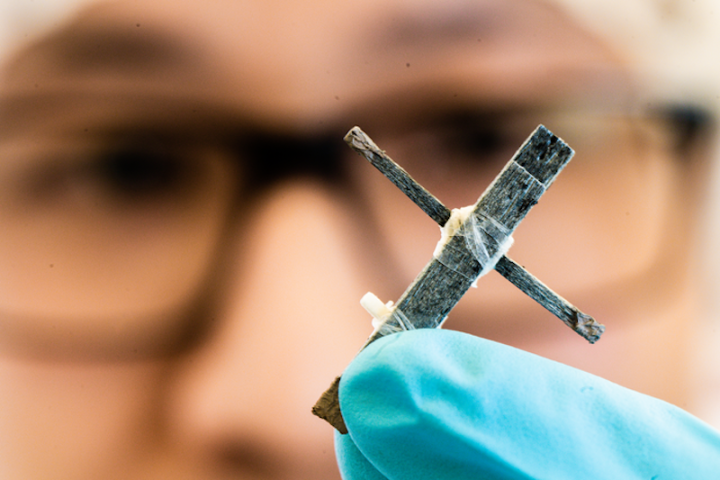 Wood isn’t usually very good at conducting electricity, but now scientists have created the first functional wooden transistor. It’s not the best, and it requires some processing, but it does work and could help make for biodegradable electronics.
 -
 Italian researchers have created a novel 4D-printed biodegradable 'seed robot' that changes shape in response to changes in humidity and can navigate through the soil. The device has great potential as a new way of monitoring the environment.
 -
 While reusing cutlery is always better than discarding it, most people aren't going to be packing a knife and fork whenever they grab some fast food. Scientists have thus designed a plant-and-wood-based material that dissolves once broken apart.
 -
 Even though glass is praised for being fully recyclable, the EPA states that only about a third of discarded glass items actually get recycled. With that problem in mind, scientists have developed a new type of glass which is biodegradable.
 -
 Whether their stripes are to deter predators, cool down their bodies on hot days or make it hard for horseflies to land and bite, the zebra's appearance is an ongoing fascination for scientists. Now, their style has been adapted in a novel way.
Load More