
Augmented Reality
-
 Producing music these days can be something of a flat experience, undertaken using powerful software running on a computer. With the sales launch of the Apple Vision Pro, DAW maker Hit'n'Mix is planning to immerse musicians in their creations.
 -
 As VR/AR headsets become more and more common, they'll open up all sorts of opportunities to "gamify" what's happening in the real world. Here's a fun example: an app that tracks your vacuum, showing which bits of floor you have and haven't done.
 -
 If you're on a sightseeing tour in a bus, you really don't want to be looking away from the passing attractions to Google them on your smartphone. The AR Interactive Vehicle Display is intended to help, by showing relevant information on the vehicle's window glass.
 -
 Augmented-reality wearable producer nReal has rebranded to Xreal and launched two pairs of AR glasses designed to virtually float a huge screen in front of your eyes. The Air 2 and Air 2 Pro models are up for pre-order now.
 -
 Augmented reality eyewear is great for providing turn-by-turn navigational cues, but a lot of the goggles and visors have a kind of tech-nerdy vibe. Blucap Moto sunglasses are different, in that they won't make you look like a Sheldon Cooper wannabe.
 -
 Some cyclists (or other outdoorsy types) like having access to a lot of information, which is often spread out between different devices. The Lawk One AR Glasses, however, put everything together in one place.
 -
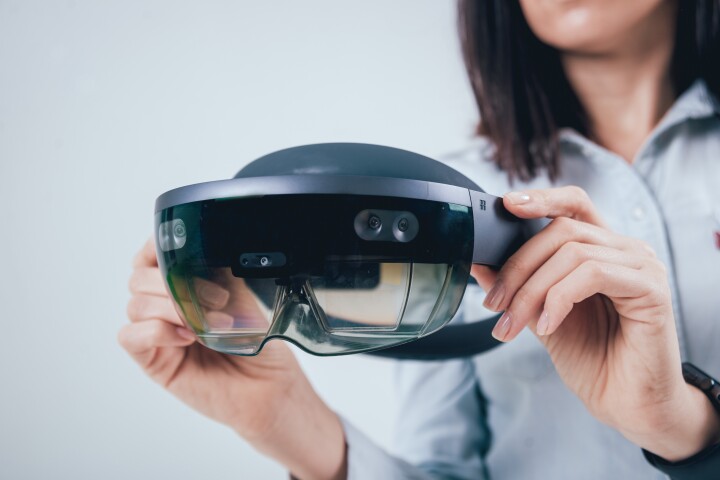 It's normal to feel anxious about going under the knife, but stress before surgery can range from mild anxiety to overwhelming fear. Now, researchers believe a tech more often seen in video games – augmented reality – can help relieve that anxiety.
 -
 After months of speculation, Apple has finally announced its house-brand augmented reality system. Known as Apple Vision Pro, the setup is described as being the company's first "spatial computer."
 -
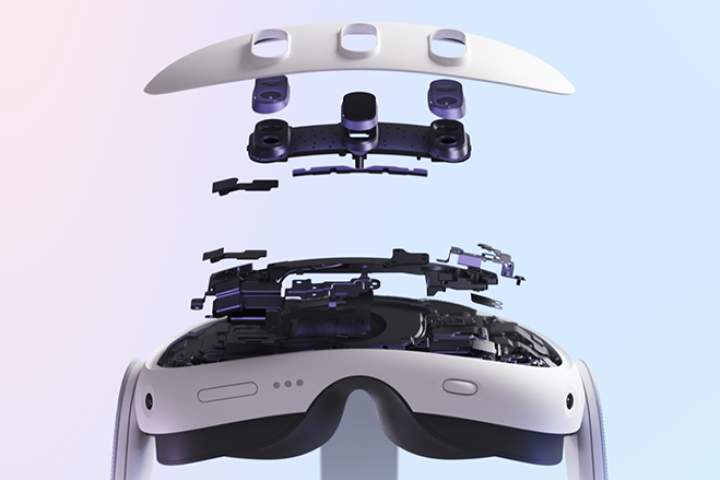 With Apple dropping hints that its much-awaited AR/VR headset will drop at next week's WWDC event, Meta has attempted to steal its rival's thunder. The new Meta Quest 3 is smaller, much more powerful than its predecessor, and designed for next-level AR.
 -
 Seeking to free laptop users from small displays that limit functionality, Sightful has unveiled a laptop with no screen. Instead, AR glasses project a 100-inch virtual screen anywhere, transforming any space into a screen-filled portable office.
 -
 Building on the crowdfunding success of its portable augmented-reality glasses in 2021, China's Rokid has launched the slim and lightweight Rokid Max AR glasses, which can place a 215-inch virtual display in front of your eyes.
 -
 Xiaomi has pulled back the curtain on a pair of augmented-reality glasses it's working on called the Wireless AR Glass Discovery Edition, which are reported to be among the first in the industry to boast "Retina-level" image resolution.
Load More