
Audi
-
 One of the largest automotive shows in the world, the New York International Auto Show happens every year in New York City. For decades, it's been the home of the World Car of the Year awards and a fulcrum for automotive unveils in North America.
 -
 New cars bought in the last few years have twice as many quality problems as they had in 2010. Some well-known brands are averaging more than five issues per car – and the stats show things will probably get a lot worse before they get better.
 -
 Audi has celebrated the 150th birthday of its Neckarsulm production facility in Germany by getting a bunch of apprentices to re-imagine a classic car built in 1971 as a sporty future-modern electric based on the company's e-tron platform.
 -
 Audi UK has announced the launch of a limited-edition electric mountain bike that's said to have been inspired by the company's RS Q e-tron Dakar rally car, and is specced out with components from Brose, Fantic, SRAM, Renthal and Mavic.
 -
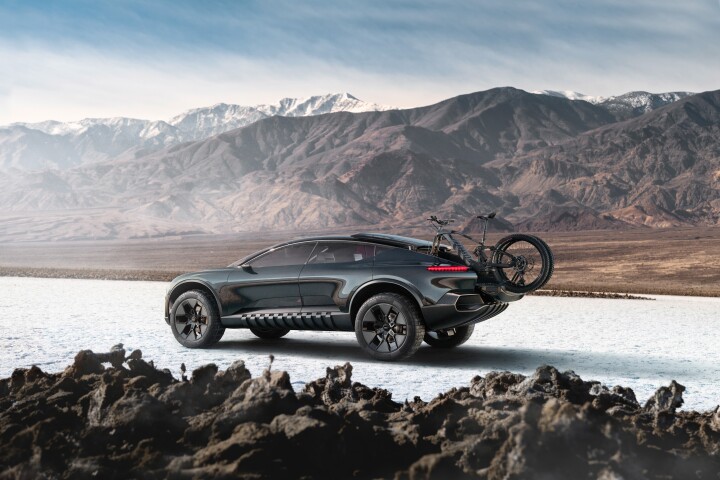 Audi is exploring a more rugged, adventure-ready breed of electric utility vehicle. The Activesphere concept is a more versatile multipurpose EV, combining a sport sedan's body, 4x4's high ground clearance, and pickup truck's gear-carrying utility.
 -
 The question of what to do with electric vehicle batteries after their vehicular life cycle ends is only going to get louder and more pressing. Audi is experimenting with one possible option: electric rickshaws powered by second-life batteries.
 -
 The Audi A6 Avant e-tron concept previews an electric AWD wagon able to carry the family up to 435 miles per charge. With its 800-V architecture, the wagon can also suck in 300 km worth of power in the time it takes for a bathroom-and-snack break.
 -
 Audi has revealed that the holoride tech for back-seat passengers demonstrated at CES 2019 will roll out to select vehicles from June. The platform adapts content to the car's movement, transforming a boring commute into a rolling VR theme park.
 -
 Not all drivers looking to ditch the combustion engine in favor of battery-electric drive have ready access to chargers at home. Audi is looking to serve its EV customers with urban charging hubs with an included while-you-wait lounge.
 -
 Inspired by the world of private jets and first class cabins, Audi's new Grandsphere concept shows just how large vehicle passengers will live in the world of self-driving electric premium sedans. It's a flagship of "progressive luxury."
 -
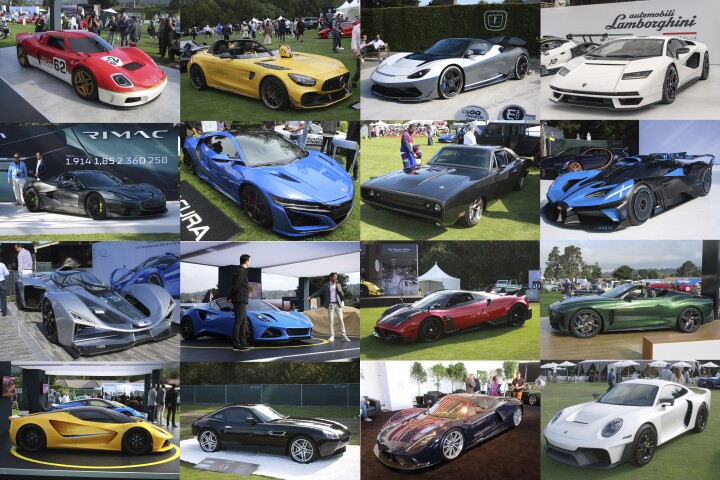 The Quail is the stage upon which prestigious marques show their finest wares for the first time and while 2021 saw a bumper crop of new models, this event is more than a hypercar showroom, it is a celebration of automotive excellence spanning all eras.
 -
 A retractable hard-top is standard fare, but how about a retractable body shell? That's what Audi explores with the new Skysphere concept, an e-roadster that transitions between autonomous touring and hard-nosed sports driving by adjusting in length.
Load More