
Atmosphere
-
 Next month, NASA will place a new piece of equipment on the International Space Station. It will examine a phenomenon known as Earth's airglow for signs of weather-produced waves that can reach the mesopause and disrupt satellite communications.
 -
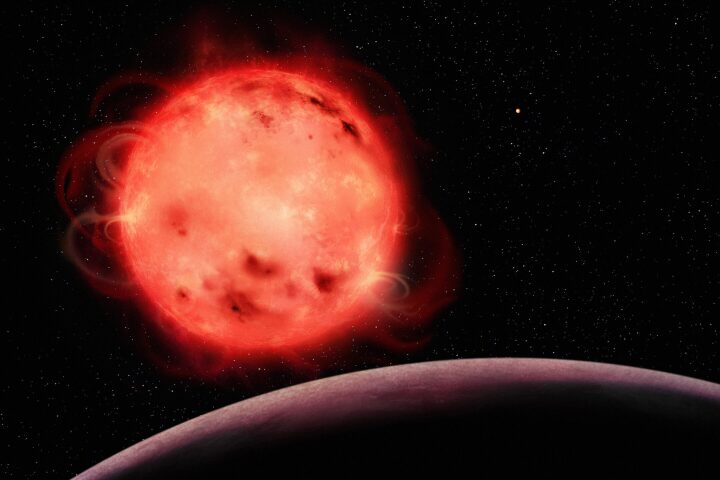 The James Webb Space Telescope has achieved one of the first major science goals announced for it way back in 2017. The infrared instrument has now probed the atmosphere around one of the TRAPPIST-1 exoplanets.
 -
 If you’ve ever felt like you need more hours in the day, well how does 60 sound? A new study suggests we’d have 60-hour days by now if a stalemate between the Sun and Moon hadn’t interfered with Earth’s rotation for over a billion years.
 -
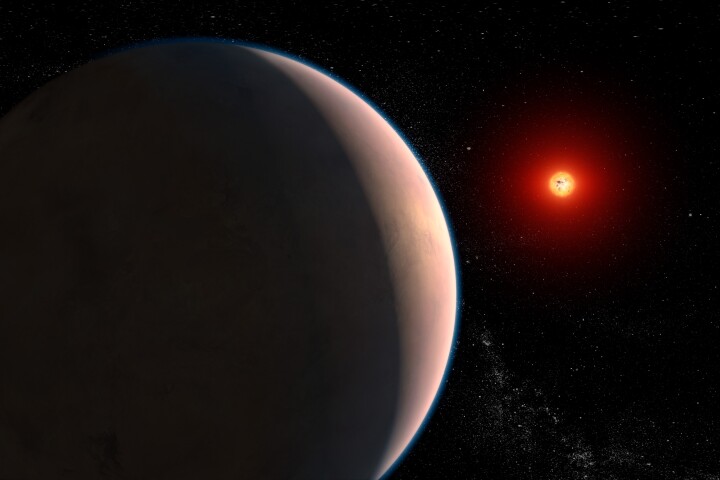 The James Webb Space Telescope has detected water vapor near a planet in another system. Although there's a big if hanging over the find, it could mark the first direct detection of a rocky exoplanet’s atmosphere.
 -
 While antibiotic-resistant bacteria are on the rise, you might have thought that the potentially deadly bugs would be found mostly where people and other animals congregate. But researchers have now found them in a most remarkable place.
 -
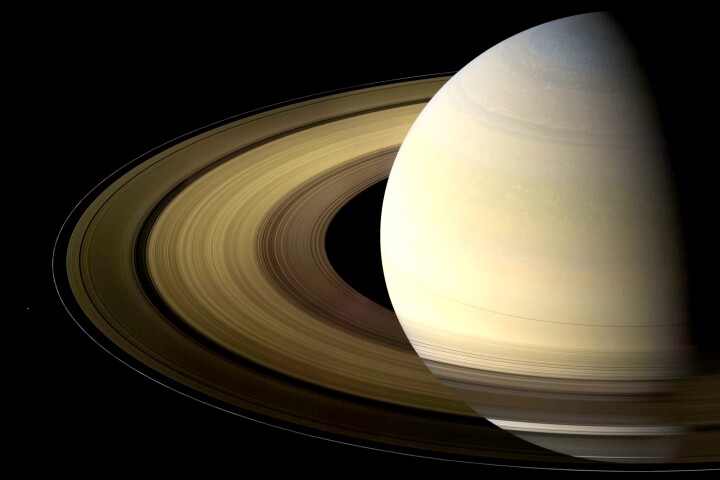 Saturn is renowned for its rings, easily visible through an ordinary telescope. Now, using observations collected over 40 years, scientists have discovered a never-before-seen interaction between the planet and its iconic rings.
 -
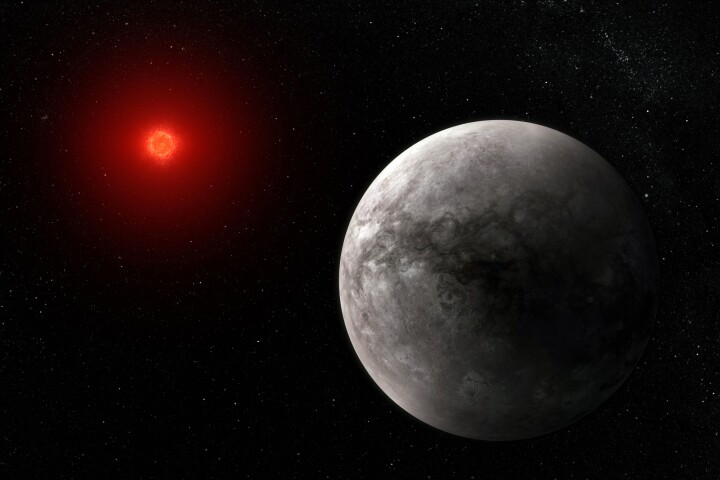 Researchers have used the James Webb Space Telescope to measure the temperature of the innermost planet in the TRAPPIST-1 system, shedding more light on the ability of planets like these to support life.
 -
 The James Webb Space Telescope has provided the most detailed look at an exoplanet atmosphere ever. Studying data from four instruments astronomers compiled a complete molecular and chemical profile of the planet, including signs of active chemistry.
 -
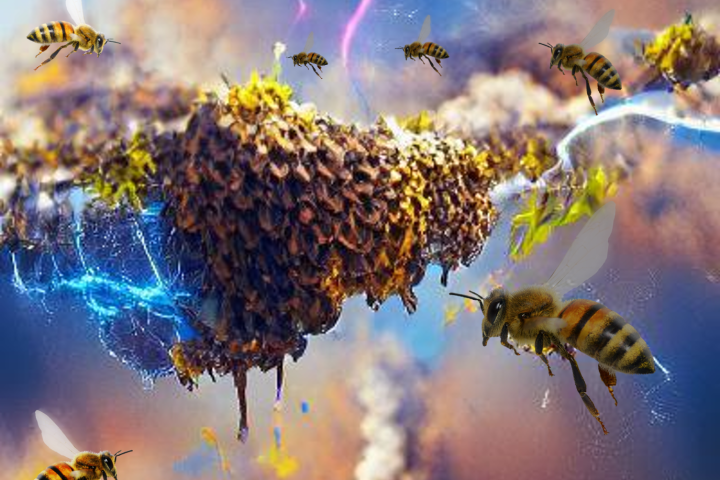 New research shows that swarms of insects like bees and locusts can actually produce atmospheric electric charges. By measuring the extent of this influence, the team found that large swarms could produce as much charge as a storm cloud.
 -
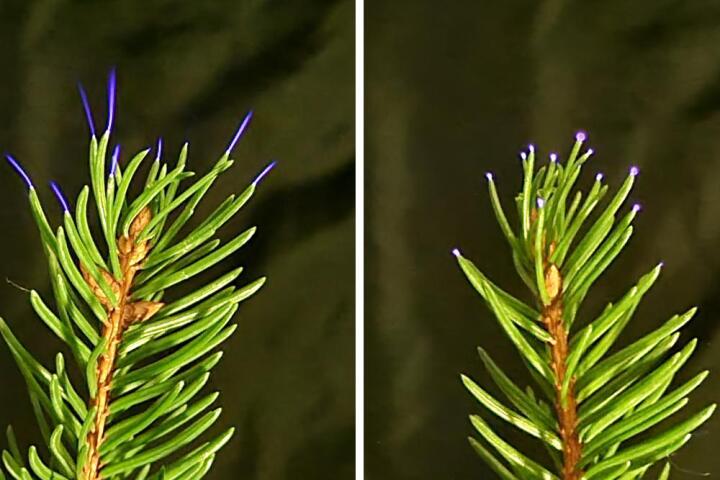 Fascinating new research from atmospheric scientists at Penn State University has found during thunderstorms, electrical discharges on tree leaves can generate significant volumes of chemicals that may affect the air quality in surrounding forests.
 -
 The exoplanets WASP-76 b and WASP-121 b are already known to be peculiar places, but a new discovery has raised even more questions about the composition of the exotic atmospheres around these celestial bodies.
 -
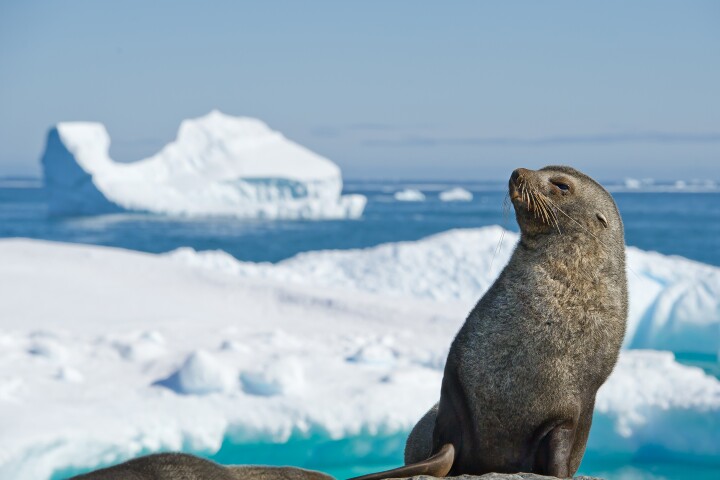 New research suggests that cooling the poles by 2 °C, and re-freezing the Arctic and Antarctic, is "feasible at relatively low cost with conventional technologies," if humanity agrees that a rising sea level is worse than this plan's side effects.
Load More