
Artificial Intelligence
-
 An F-16 fighter plane running on artificial intelligence has engaged in the first-ever aerial dogfight exercise with a human-piloted counterpart. This is the first footage of the mock battle, which comes out of DARPA's Air Combat Evolution program.
 -
 AI has been surpassing human performance benchmarks for years. But its rapid rise has highlighted its areas of weakness: Trustworthiness, ethics, and producing unbiased and non-discriminatory content. As a result, the world has become more nervous.
 -
 Microsoft Research Asia has revealed an AI model that can generate frighteningly realistic deepfake videos from a single still image and an audio track. How will we be able to trust what we see and hear online from here on in?
 -
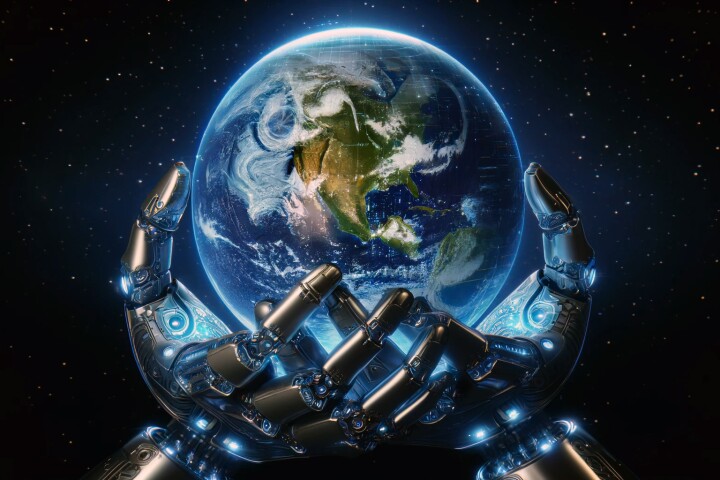 Stand back and take a look at the last two years of AI progress as a whole... A new report shows how AI is catching up with humans so quickly, in so many areas, that frankly, we're going to need new tests.
 -
 Logitech has introduced new software that gives users of its peripherals easy access to ChatGPT. After matching the feature to a keyboard key or mouse button, the user can quickly tap into the power of GPT via preset or custom recipes.
 -
 Back in January, researchers showed off the kitchen skills of an open-source Aloha housekeeping robot. Now the Unleashed project gets to grips with knotting shoelaces, hanging shirts and even repairing other robots.
 -
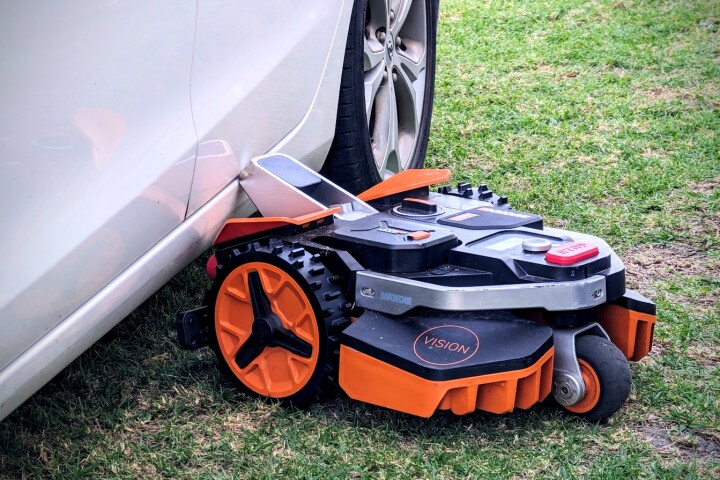 We've now spent several months with the latest wire-free Landroid robo-mower, and we've found it a mix of confusing, educational, satisfying and highly entertaining. Oddly enough, the one thing the Vision seems to need... is a bit more vision.
 -
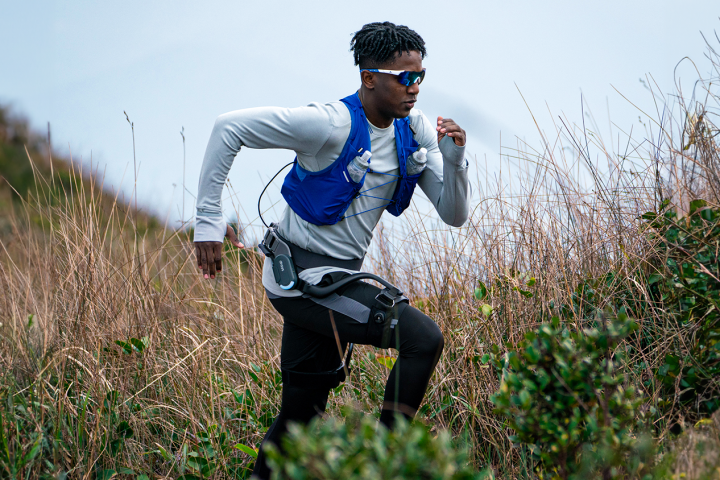 This new recreational adventure exoskeleton welcomes anyone to high-level hiking, scrambling and climbing, upgrading your anatomy with an extra 900 W of leg power. It shoulders up to 83 lb of load, sprints at speeds over 16 mph and packs down small.
 -
 The Floating Glass Museum is the stunning result of a collaboration between an international team of architects and designers who, with the support of AI, have merged tradition and innovation to envision a traveling symbol of environmental awareness.
 -
 Following in the footsteps of the GPT-enhanced Figure 01 humanoid we marveled at last month, China's UBTech has partnered with Baidu to give its new industrial Walker S humanoid the power of natural speech and real-time reasoning.
 -
 Hyundai and Kia are gunning for office mailroom jobs with the introduction of the DAL-e Delivery robot, that can not only distribute packages around a building autonomously, but can also do the coffee run.
 -
 GPT-4 is already better at changing people's minds than the average human is, according to new research. The gap widens the more it knows about us – and once it can see us in real time, AI seems likely to become an unprecedented persuasion machine.
Load More