
Alzheimer's Disease
-
 The world’s most powerful MRI machine has scanned its first living human brains. The resulting images give an ultra high resolution glimpse into the brain, to help us better understand the nature of consciousness and treat neurodegenerative diseases.
 -
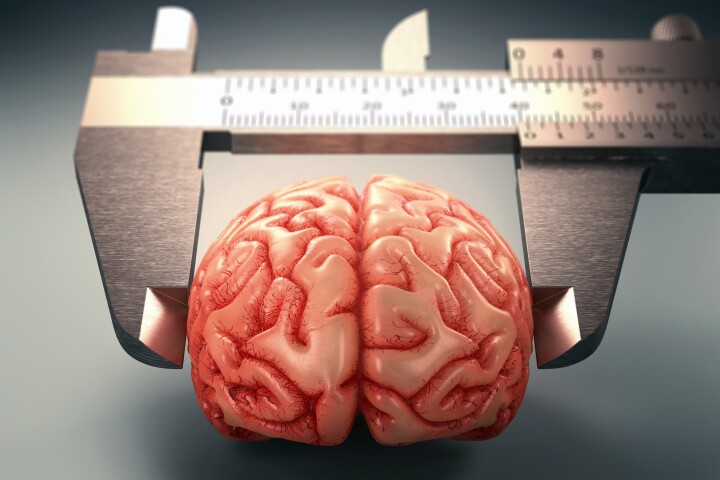 In the human species, bigger brains suggest better brain health and cognitive function. And since the 1930s, our brains have been growing. Now, a new study shows how this is affecting our risk of developing dementia, particularly Alzheimer's disease.
 -
 Researchers have discovered that limiting a certain enzyme can have a dramatic impact in protecting against the effects of Alzheimer's disease. The finding could lead to a new class of drugs that fight the disease.
 -
 Eating a keto diet prevented the mild cognitive impairment often seen in the early stages of Alzheimer’s disease, new research has found. The researchers suggest that adopting the diet may be a way of delaying the onset of full-blown Alzheimer's.
 -
 Using an AI-based approach, researchers found a better way to create the drug galantamine, commonly prescribed to people suffering from Alzheimer's and other forms of dementia. The fermentation-based technique could boost the drug's availability.
 -
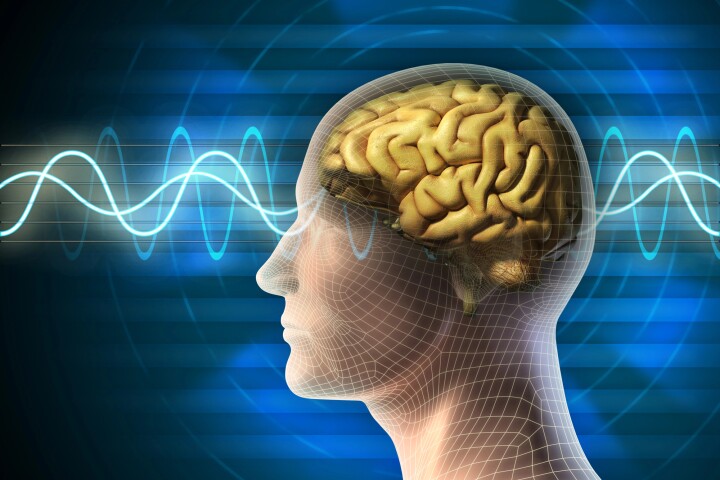 If someone you know has gone through chemotherapy, you might be familiar with the side effect 'chemo brain.' Scientists have now demonstrated a simple way to protect brain cells from damage using flashing lights and sounds at a certain frequency.
 -
 In 2016 researchers found unusually high levels of magnetite in a number of human brain samples. The tiny toxic particle can be found in modern urban air pollution and is now suspected to be one environmental contributor to Alzheimer's disease.
 -
 A 12-week Kundalini yoga course provided test subjects a range of measurable brain benefits including improved memory, anti-aging and anti-inflammatory effects, according to new research from UCLA, suggesting it could help prevent Alzheimer's disease.
 -
 Phosphodiesterase type 5 inhibitors such as Viagra are best known for treating erectile dysfunction, but a study of nearly 270,000 men has added to the growing body of evidence that they may also protect the brain against developing Alzheimer's disease.
 -
 In yet another surprise attribute of the new class of obesity drugs, scientists have found that GLP-1 receptor agonists can also subdue brain inflammation, giving them a potential ‘superpower’ in the fight against Alzheimer’s and Parkinson’s diseases.
 -
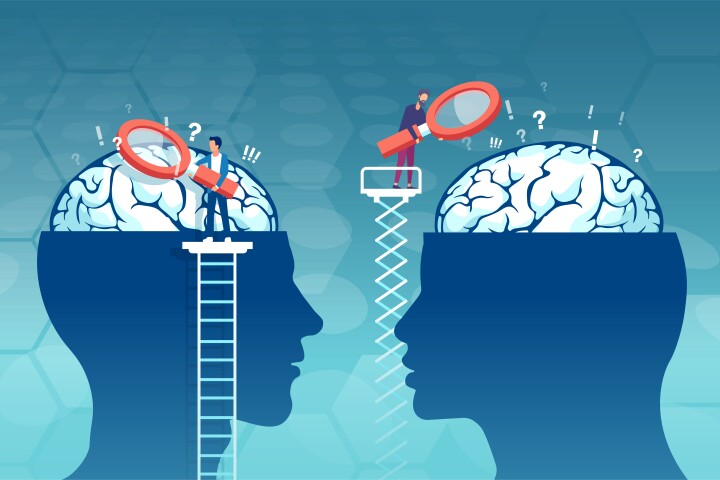 A team has reported the first-ever evidence of human-to-human transmission of Alzheimer’s disease, demonstrating how a human growth hormone treatment transplanted toxic proteins into children and caused the development of early-onset Alzheimer’s.
 -
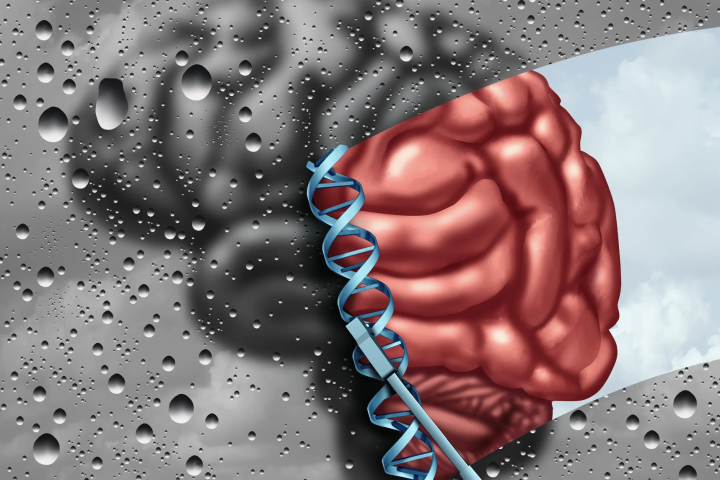 Scientists have, for the first time, identified five distinct subtypes of Alzheimer’s disease, each with different neurodegenerative behaviors, survival rates and medical interventions. It could be a game-changer for research and therapeutic success.
Load More