
Aircraft
-
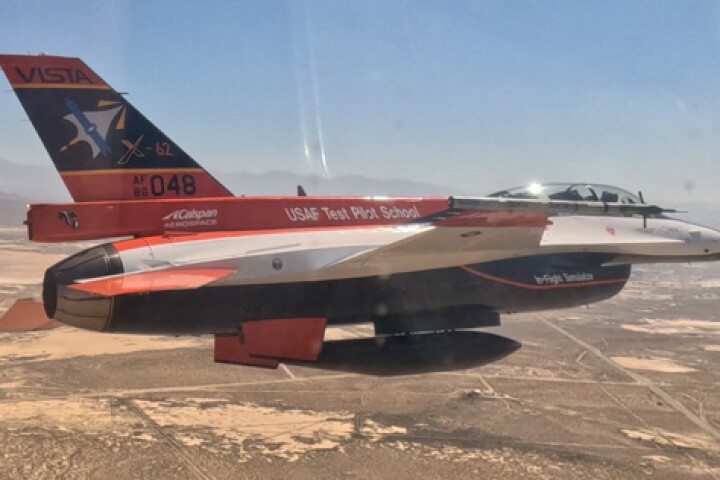 An F-16 fighter plane running on artificial intelligence has engaged in the first-ever aerial dogfight exercise with a human-piloted counterpart. This is the first footage of the mock battle, which comes out of DARPA's Air Combat Evolution program.
 -
 This extraordinary residence is crafted from the fuselage of a Boeing 737 and perched on the edge of a cliffside in Bali. It has received a new luxurious interior, including a bedroom with a jacuzzi in the cockpit.
 -
 The first ever jet suit race has been held in Dubai. Racers each wrestled the thrust from seven 130-hp jet turbines to levitate and negotiate a course in spectacular head-to-head duels – and the event delivered the sport's first jet suit crash.
 -
 Fast-tracking the hypersonic era, Hermeus has rolled out the next prototype of its program, to create a family of aircraft that can fly beyond Mach 5. The Quarterhorse Mk 1 is set to fly later this year, testing its high-speed takeoffs and landings.
 -
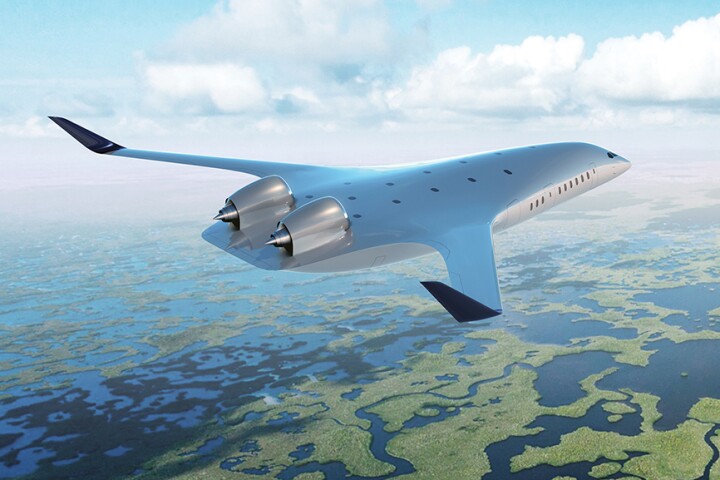 The basic shape of a passenger jet hasn’t really changed much for decades, but radical new shapes are inching closer to production. JetZero has announced that its beautiful blended-wing demonstrator has been FAA-approved to begin test flights.
 -
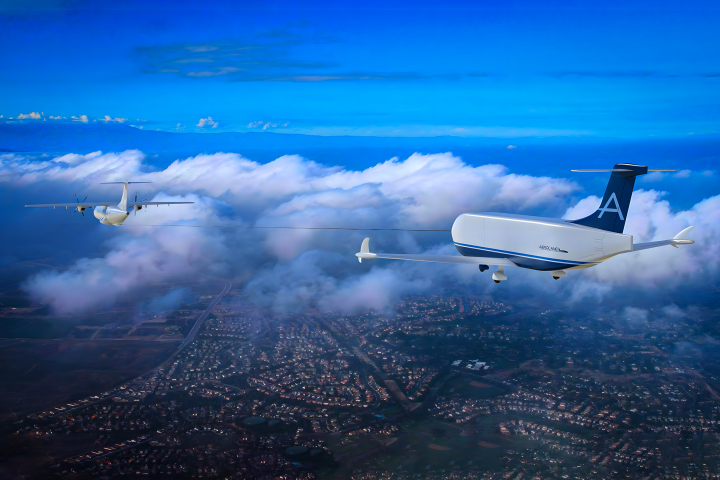 A West Texas company says it's found a remarkably simple way to slash air cargo costs as much as 65% – by having planes tow autonomous, cargo-carrying gliders behind them, big enough to double, or potentially triple their payload capacity.
 -
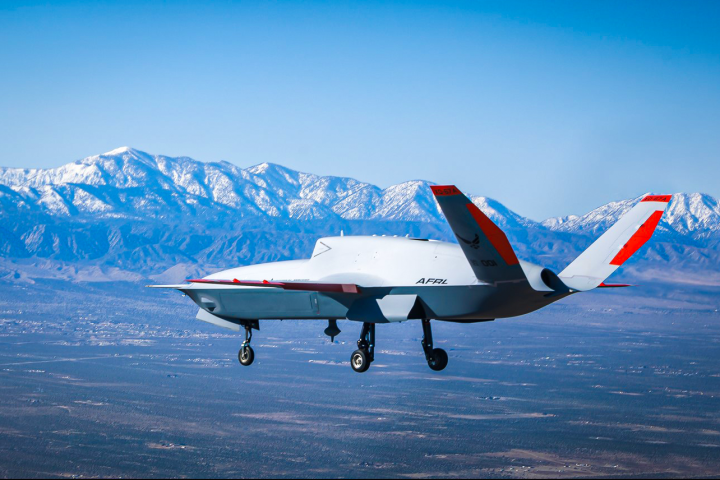 The US Air Force's XQ-67A Loyal Wingman combat drone has taken to the air for the first time. Built by General Atomics using automotive design techniques, it promises to be a cheaper, more flexible alternative to other UAVs.
 -
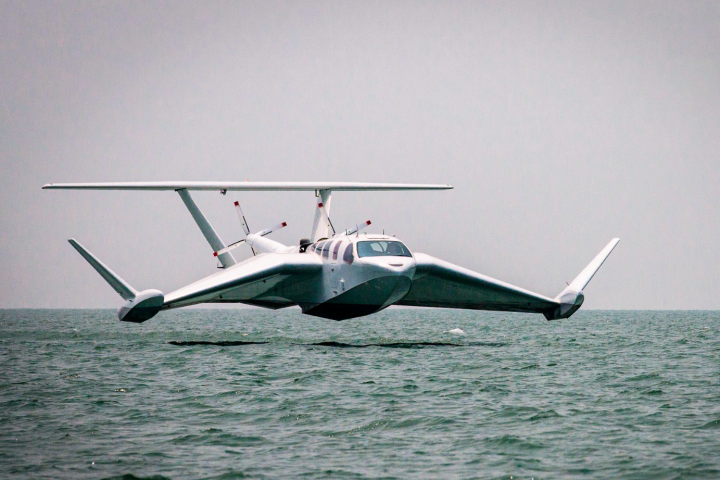 Hovering uncannily close to the waves, the Airfish-8 carves its way over water three times quicker than a boat, and 2.3 times more efficiently than an aircraft. Singapore's ST Engineering has announced its first orders, set to enter service in 2025.
 -
 UFOs are having a renaissance lately, moving beyond the tinfoil-hatted crowd and into the realm of serious government investigation. Now a study has analyzed the geography of almost 100,000 sightings and found a few clues about how they cluster.
 -
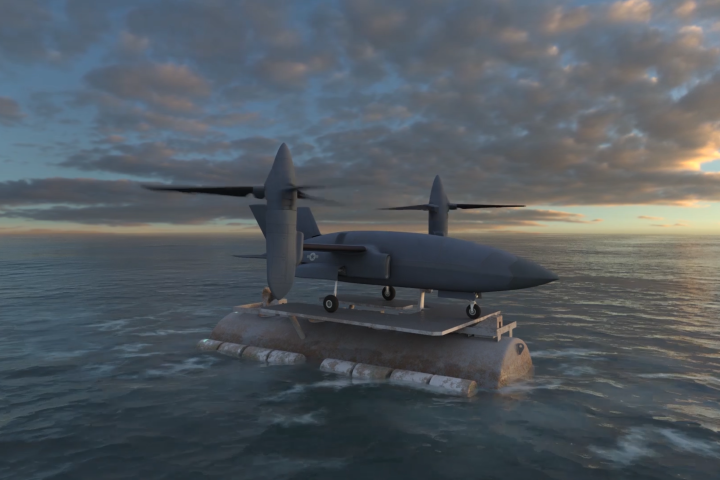 Bell has released a video showing off its High-Speed Vertical Takeoff and Landing (HSVTOL) technology in action. The two-minute video shows a ground test of the nacelle system used to lift and land a VTOL X-plane before converting to jet flight.
 -
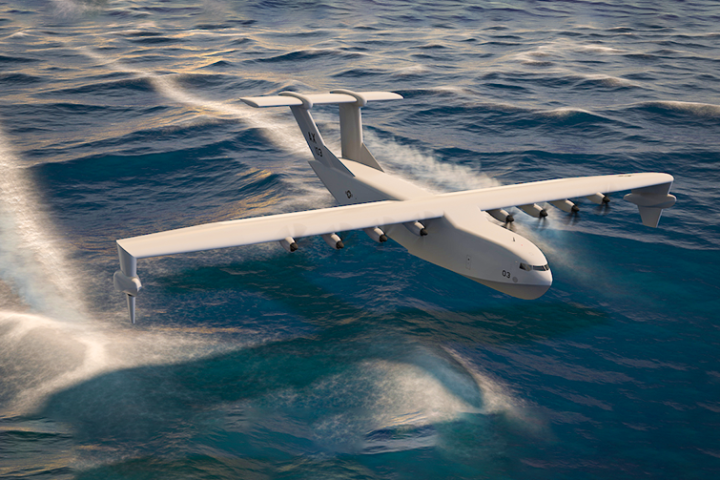 Aurora Flight Sciences has updated the design of its Liberty Lifter seaborne military heavy-lift transport – a highly efficient X-plane the company is developing for DARPA that achieves bulk lift by using wing-in-ground effect.
 -
 Kobe University researchers have created a new "structural color ink," just 100-200 nanometers thick, that shows bright colors from wide viewing angles, without fading, while weighing less than half a gram per square meter (0.002 oz per square foot).
Load More