
Aging
-
 There's been no guide on how much dietary fiber you need to eat to reduce blood pressure – until now. A new study has confirmed that it has an effect independent of medication and quantifies just how much is needed to directly impact high blood pressure.
 -
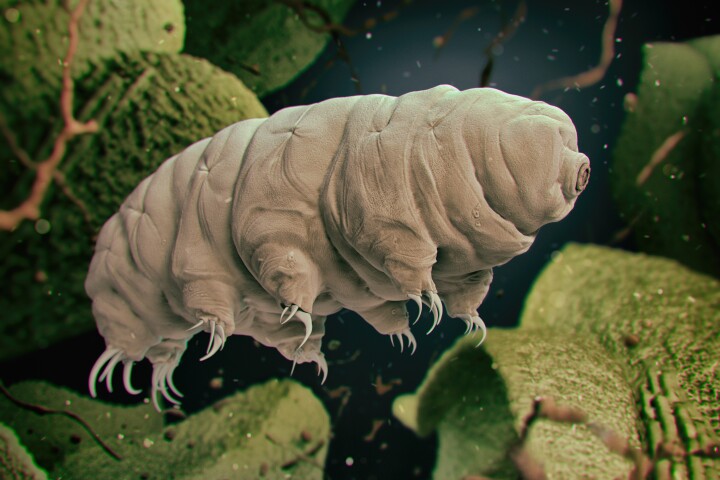 Tardigrades are famously tough little critters, and good for them – but what’s in it for us? A new study has found that tardigrade proteins can protect human cells from damage, potentially leading to new anti-aging therapies or tissue storage tech.
 -
 A new study led by researchers in Germany has for the first time compared the chemical composition of body odor between teenagers and infants, homing in on the exact compounds that make babies smell like flowers and teens smell like sweaty goats.
 -
 Obstructive sleep apnea hugely impacts health and well-being, but as those with the condition know, treatment is very limited. Now, a new nasal spray has shown promise in alleviating the symptoms of the most common sleep-related breathing disorder.
 -
 A drug currently used as a second- or third-line treatment for those with rheumatoid arthritis has shown huge promise as a preventative, stopping the onset of the debilitating and painful disease in 92.8% of at-risk participants after 12 months.
 -
 Phosphodiesterase type 5 inhibitors such as Viagra are best known for treating erectile dysfunction, but a study of nearly 270,000 men has added to the growing body of evidence that they may also protect the brain against developing Alzheimer's disease.
 -
 Researchers have reprogrammed CAR T cells to target senescent cells that contribute to aging and later-life diseases, improving health and metabolism in old mice and causing young ones to age slower, protected from age-related diseases for life.
 -
 Declining fertility can make it harder to have kids in middle age. Now scientists have identified a mechanism that seems to accelerate aging of the ovaries – and found a way, in mice at least, to slow it down to boost fertility later in life.
 -
 Slowing down the dreaded aging process interests everybody, and now scientists have uncovered a new pathway to doing so. The team identified a feedback loop in the brain, and found that ramping up its activity helped mice live longer and healthier.
 -
 Aging is a natural part of life. But does it have to be? Helping humans to live longer and healthier were two things that featured in research during 2023. Here are the top anti-aging stories that appeared on New Atlas throughout the year.
 -
 Throughout 2023, researchers have looked at pain, especially chronic pain, and its molecular mechanisms, in an effort to find new, targeted ways to effectively resolve the complex condition. We present this year’s top discoveries in pain research.
 -
 In big news for the millions who suffer from chronic lower back pain due to degraded disks, scientists have made a potentially huge breakthrough in understanding its cause at a microscopic level, paving the way for effective cell therapy to relieve it.
Load More