
Environment
News and analysis of environmental issues and green technology.
Latest News
-
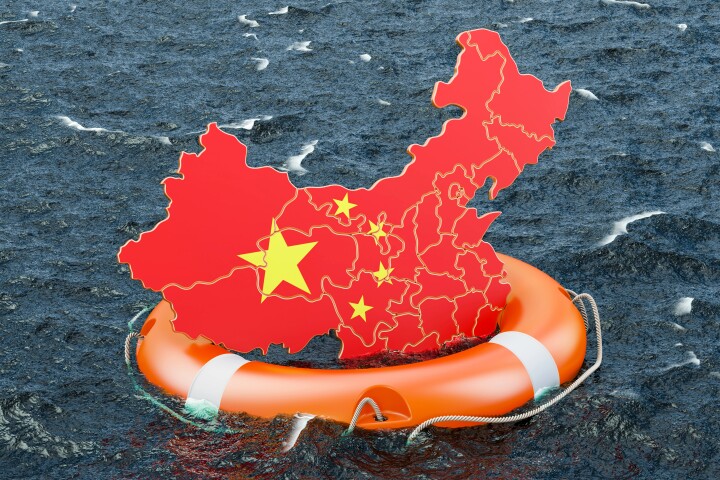
45% of China's urban land is rapidly sinking due to manmade development
April 18, 2024A perfect storm is brewing for China's cities due rising sea levels and accelerated subsiding land. Scientists have now sounded the alarm that, without intervention, urban areas below sea level will triple by 2120, impacting up to 128 million people. -

Self-dying bacterial black leather paves the way for greener textiles
April 04, 2024Bacteria-produced leather is already an eco-friendly alternative to its cow-derived counterpart, but it could soon be even eco-friendlier. Scientists have gotten the microbes to color the stuff themselves, eliminating the need for toxic dyes. -
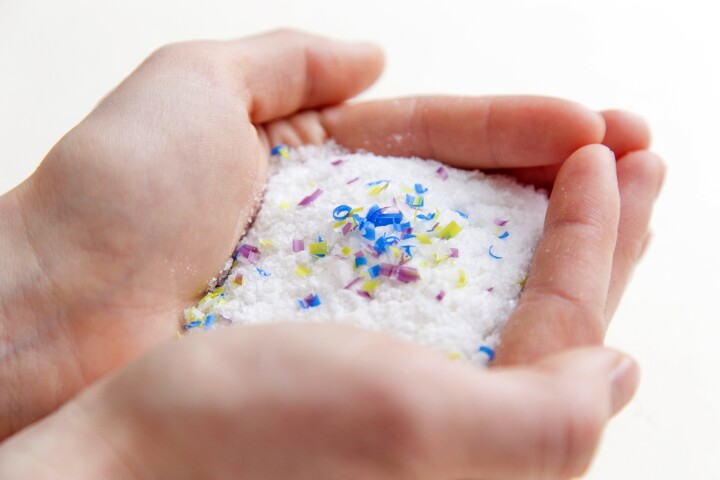
"First plastic demonstrated to not create microplastics" has been tested
March 22, 2024Even when it’s ground into microparticles, 97% of an algae-based plastic biodegrades in compost and water in under seven months, a new study has reported. The researchers hope their plastic will eventually replace existing petroleum-based ones. -

Winged cargo ship saves three tonnes of fuel per day on first voyage
March 19, 2024An age of greener, more efficient shipping may be in the offing as a specially modified 43,000-tonne bulk freighter completes a six-month sea trial using a combination of diesel engines and a set of high-tech automatic sails to catch the wind. -

Rock on the Richter scale: Seismologists rank the top concert-quakes
March 14, 2024With Taylor Swift fans linked to recent seismic activity during her current worldwide 'Eras' concert tour, we thought we’d investigate how other musical artists' fans stacked up in terms of their stadium-shaking abilities. The results may surprise you. -

Sounds appealing – reef recordings entice coral larvae to start building
March 14, 2024Scientists have discovered that audio recordings of healthy coral reefs may help attract free-swimming coral larvae to damaged ones. The finding could be a major step toward preserving the world's coral reefs. -

The secret to saving our reefs may lie in the sea cucumber
March 13, 2024Although the humble sea cucumber may not look like much, it could soon be recruited to help save the world's coral reefs. The bottom-dwelling animals have been found to play a vital role in protecting corals from harmful bacteria. -

Roll-on "Box Refresh" is a better idea than it sounds
March 05, 2024Nobody wants to put their package in a grubby, sticky box that's clearly been recently used – but many an excellent box is made unappealing by an untidy exterior. That's where Box Refresh – the worst-named product of 2024 – hopes to make a difference. -

Botanical gardens can cool city air by an average of 5 °C
February 26, 2024Temperatures around the world are on the rise, with 2023 recently confirmed as the hottest since records began. A new study has found that bringing nature into cities could help lower temperatures during heatwaves. -

Sugar cane waste converted into concrete-beating Sugarcrete
February 06, 2024After sugarcane crops have been harvested, a great deal of waste known as bagasse is left over. That substance has been incorporated into an eco-friendly building material called Sugarcrete, which recently won an international Climate Positive Award. -

Recent mega-hurricanes prompt calls for a new Category 6
February 05, 2024Climate change will trigger stronger storms more often, and the threat may not be properly communicated. Now, scientists at Berkeley Lab suggest there’s room for a Category 6 on the scale – with five storms in the past decade reaching that strength. -
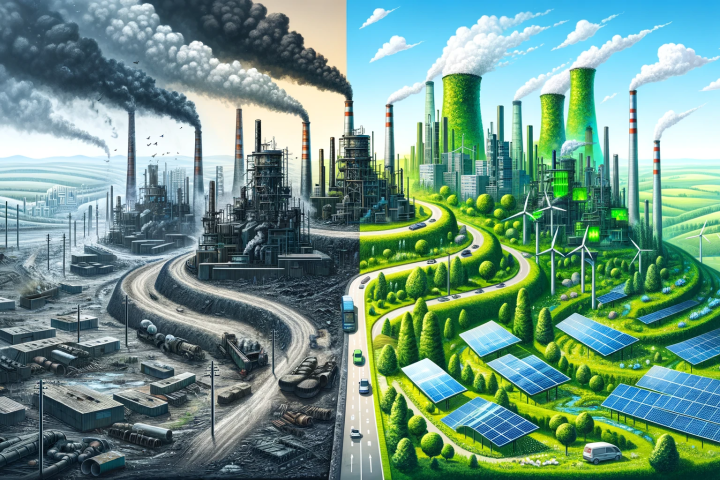
How to decarbonize 85% of all industry using today's technology
February 01, 2024The industrial sector is responsible for about 25% of global CO2 emissions – or about 9.3 billion metric tonnes per year and growing. But a team at the University of Leeds says we don't need to wait for magical new tech to clean most of it up. -

Mushroom-derived membranes may make for greener oil-spill cleanups
January 31, 2024When it comes to cleaning up marine oil spills, it's best if you can use a material that separates the oil from the seawater. Scientists have created a new organic membrane which does exactly that, and it's derived from oyster mushrooms. -

Sound makes soil fungi bloom & could restore damaged ecosystems
January 30, 2024A study has found that playing a soundscape to a common, plant-promoting fungus found in soil caused it to grow more rapidly than fungi that weren’t exposed to sound. The novel ‘eco-acoustic’ approach has the potential to restore damaged ecosystems. -

Permeable pavement roads may save salmon from tire particle toxins
January 25, 2024While stormwater runoff pollutants in general aren't great for aquatic animals, chemicals from tire particles are particularly harmful to salmon. A study now shows that permeable pavements could keep most of those toxins from ever reaching the fish.
Load More