
Music
Whatever your jam, here's where you'll find the latest technological developments from the world of music.
Latest News
-

Plant-based records take the PVC out of vinyl
March 26, 2024Sales of vinyl records have been on the rise for a few years now, but the plastic used to create them is bad news for the enviro-conscious listener. A UK startup is hoping to change that by pressing for plant-based alternatives. -

Suno V3: Song-on-demand AI is getting insanely good
March 22, 2024It's the end of the world as we know it, and I feel like making some AI-generated tunes. Massachusetts-based company Suno has released its third text-to-music tool, and it chops out fully-produced two-minute songs in any style, complete with vocals. -
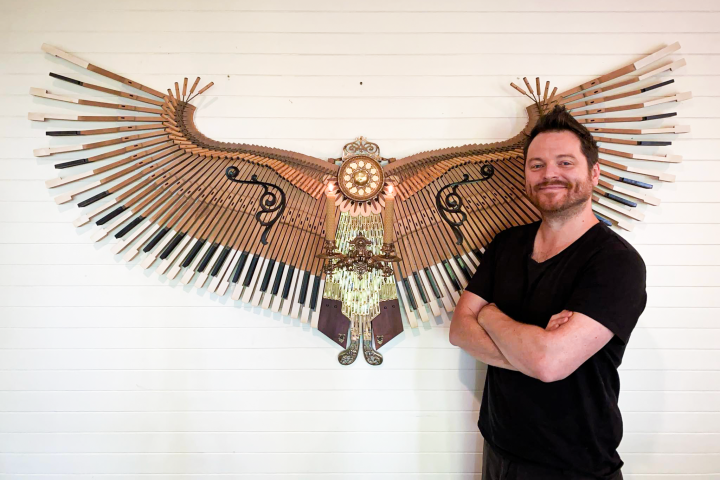
Beloved family pianos are reborn as stunning phoenix sculptures
March 15, 2024Pianos can become the heart of a home, and some become intergenerational heirlooms loaded with memories. Letting them go once they're unplayable can be very hard, but an Australian sculptor has found a way to resurrect them, to jaw-dropping effect. -

Apple Vision Pro is about to enable fully immersive 3D music production
February 21, 2024Producing music these days can be something of a flat experience, undertaken using powerful software running on a computer. With the sales launch of the Apple Vision Pro, DAW maker Hit'n'Mix is planning to immerse musicians in their creations. -

Gamechanger embarks on a voyage of sonic discovery with the Mod Series
January 29, 2024When Gamechanger Audio launches a new product, you can expect the unexpected. Previous outings have included the high-voltage Plasma Pedal and the Motor Synth. Now the quirky innovators are bringing dynamic modulation of effects using patch cables. -

Featherweight flat-panel guitar speaker now has a monster amp built in
January 28, 2024Eminent Technology has announced the Model Twenty Two – the "world's first flat panel active guitar speaker." Super-lightweight and about the size of a chunky picture frame, this 120-decibel oddity can now be your guitar amp, cab and FRFR speaker. -

Suzuki announces the return of the quirky Omnichord strum machine
January 26, 2024Way back in 1981, Suzuki Music released a rather bizarre electric instrument called the Omnichord – a kind of synth you could strum. Now the company has relaunched the an updated kidney-shaped oddity at NAMM 2024. -

Pioneer DJ morphs into AlphaTheta for wireless DJ station and speaker
January 25, 2024Pioneer has been one of the top makers of DJ gear for decades, releasing the world's first top-loading CD deck for pro use way back in 1994. The DJ brand broke away in 2014, and has now launched the first products under the AlphaTheta name. -

Positive Grid takes Spark guitar amp on the road
January 23, 2024Positive Grid launched one of our favorite modeling practice amps back in 2019, in the shape of the Spark. The family got smaller members in 2022 and 2023, and now the company is going gigging with the Spark Live smart amp and PA system. -

Vox embraces classic '60s vibe for APC-1 travel guitar
January 18, 2024Back in 2012, Vox Amplification looked to its design history to launch a pair of travel guitars based on the classic 1960s Phantom and Teardrop shapes. With NAMM just around the corner, the company has refined the concept for the feature-packed APC-1. -

Gibson returns to guitar amplification with vintage-inspired Falcon combos
January 17, 2024Though best known for its iconic electric guitars, Gibson also produced its own amplifiers until the late 1960s. A couple of years ago, company CEO Cesar Gueikian hinted at its return to tube amp manufacture, and now the first two combos have launched. -

Yamaha gets in the groove with compact all-in-one music machine
January 16, 2024The world's largest music gear expo is set to open its doors next week, and Yamaha has popped up early with a groove machine called the Seqtrak that could have jumped straight out of Teenage Engineering's design playbook. -

Stylophone goes pro with DS-2 Analog Drone Synthesizer
January 15, 2024Brit musical instrument maker Dubreq has released a number of key upgrades to its iconic pocket synth over the years, but the Stylophone CPM DS-2 is something of a departure from the usual playbook. -

Budget-friendly Theremin gets players waving their hands in the air
January 08, 2024The physicist Lev Sergeyevich Termen may not be a household name, but the eerie sounds of the synthesizer he invented are instantly recognizable. Now Dubreq is inviting music makers to wave their arms about for its own take on the Theremin. -
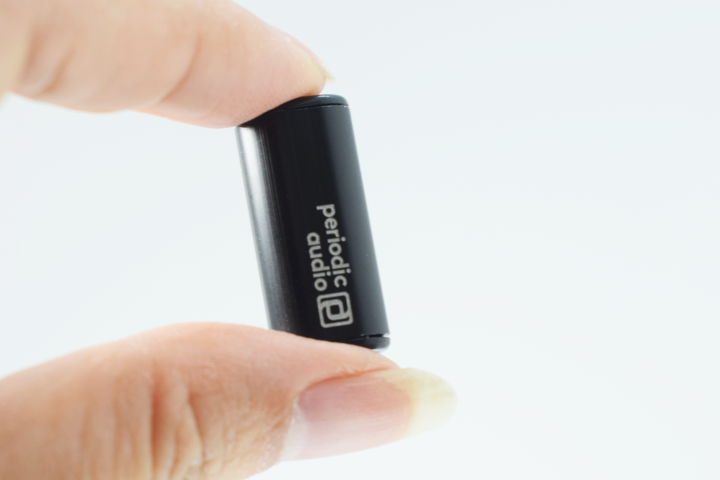
Tiny DAC makes high-resolution music mobile
December 19, 2023Generally speaking, the audio output of your mobile device or laptop probably isn't particularly good, which means that many music lovers will look to external gear to improve the groove. Periodic Audio has launched a tiny DAC designed to do just that.
Load More