
Automotive
New Atlas keeps you up to date on new cars, concepts, EVs and the latest automotive news including test drives, reviews and coverage of all the major auto shows around the globe.
Latest News
-

New Volkswagen California camper will put an end to a VW van life era
April 24, 2024The innovative, new VW California T7 will debut in a few weeks, and that means the California 6.1 is headed for retirement after 5 years. Before the Multivan-based California officially takes over, a "Last Edition" will celebrate the 6.1 exit. -

First-ever autonomous motor race streams live this weekend
April 24, 2024The first autonomous car race will be held at the Yas Marina Circuit in Abu Dhabi on Saturday 27 April 2024. It could be the birth a new TV sport with a fan-base of technophiles drawn by the progress of autonomous capability towards that of a human. -
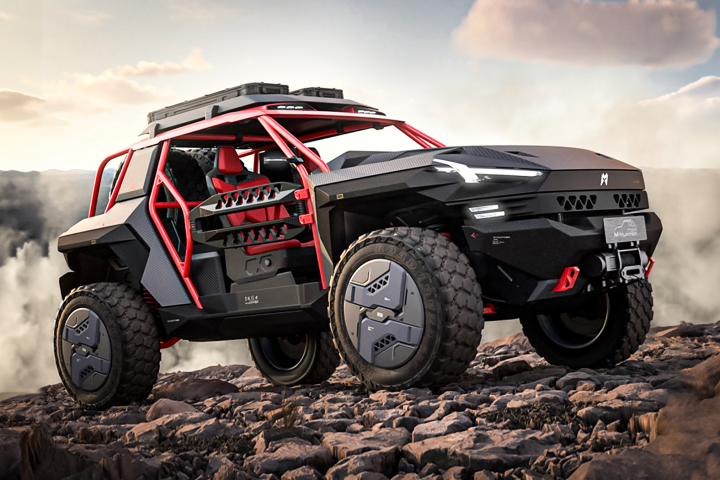
China's Hummer EV gets overhauled for aggro side-by-side off-roading
April 22, 2024Dongfeng Motors is preparing to drop the M-Hunter, an eye-grabbing cross between an SUV and a side-by-side that includes a roll cage cab and loads of clearance. It's not just a concept, either, and will be headed to market ... for a premium price. -

BYD's roofless, no-windscreen, scissor-door supercar: Headed for production
April 21, 2024Chinese electric auto-giant BYD has released a bold supercar concept through its premium Fang Cheng Bao brand. The Super 9 rocks no roof, the barest hint of windscreen, and lascivious scissor doors – and it's apparently headed for production. -
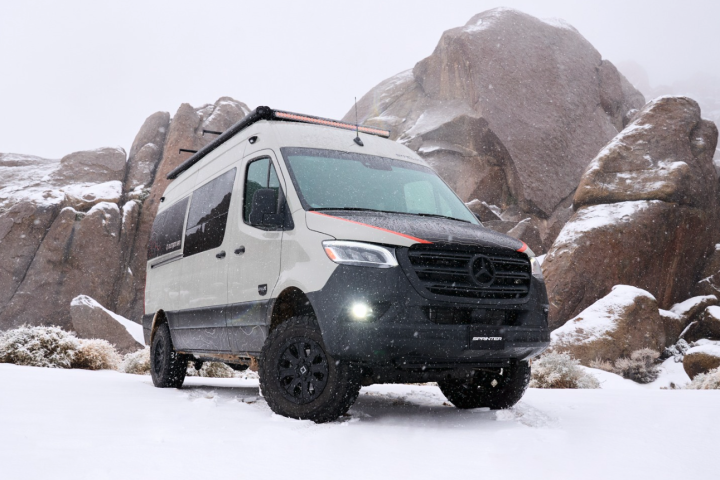
Outside's rejiggered camper van blows open van life dreams
April 18, 2024Outside Van has sharpened its camper outfitting skills on customs, and it's now channeling that expertise into vans sold through dealers around the US. The new Syncline is a rugged adventure machine with charmingly rustic, functional interior. -
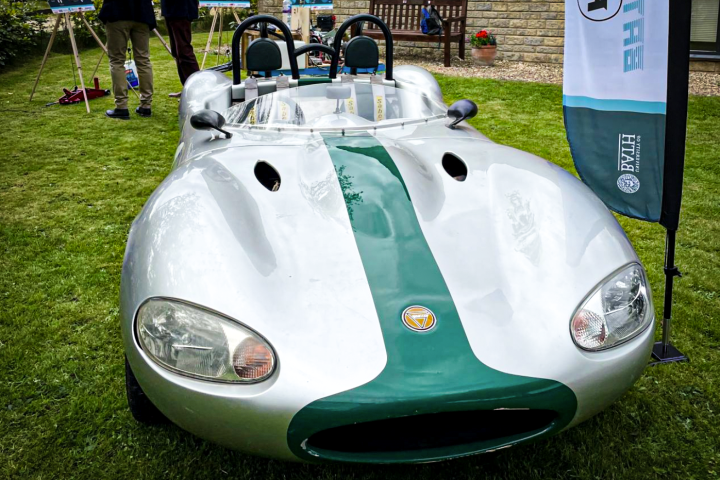
Hydrogen combustion engine fires up on road to land speed record run
April 17, 2024The latest hydrogen ICE to rumble to life was born with a special mission: claim a land speed record or two for the emerging hydrogen-combustion space. A University of Bath team has successfully gotten its hydrogen-burning prototype working. -

GMC Sierra EV pickup gets range spike & price cut ahead of launch
April 16, 2024Good news for anyone looking to become one of the first to own an all-new GMC Sierra EV. GM announced today that the Denali Edition 1 pickup will push well past its original 400-mile estimated range. Despite that, it will cost thousands less. -
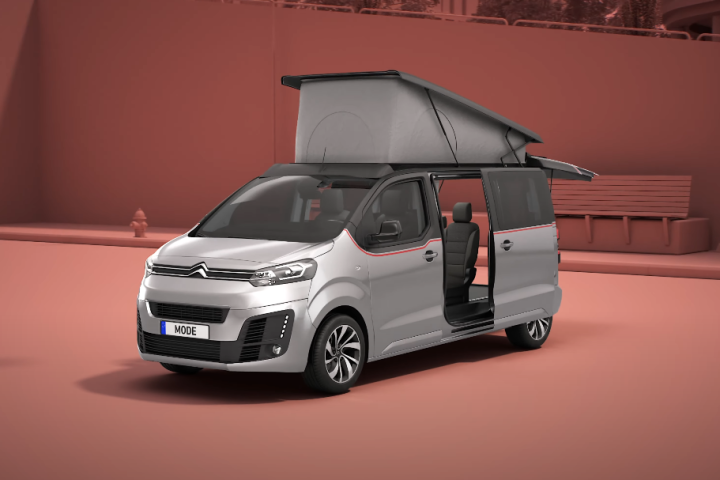
8-seat mini-camper shifts instantly from MPV to RV via stackable pods
April 12, 2024Adria has introduced a unique ultra-adaptable mini-camper it calls the Mode. It does away with large, fixed camping furniture in favor of modular pods that carry easily, pack neatly on the ride and offer multipurpose utility at camp. -

Hydrogen-burning Alpenglow hypercar is about to go endurance racing
April 11, 2024After a hell-raising concept iteration, Alpine's hydrogen combustion fire-and-ice Alpenglow supercar is finally prepped and revved to take the track. It'll make its dynamic debut next month at the Spa-Francorchamps 6 Hours endurance event in Belgium. -

2025 Toyota 4Runner gets a hybrid, off-road kit and ... mixed response
April 11, 2024Toyota has unveiled the new sixth-generation 4Runner sport utility in three formats: a standard model, a hybrid model, and a trail-ready overlanding model. Not everyone is a fan, however. -
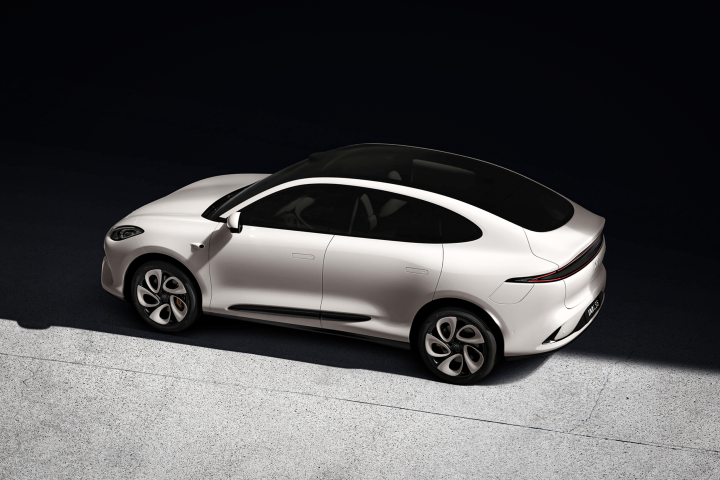
$45K EV smuggles a 620-mile solid-state battery out of the lab
April 11, 2024IM motors has decided that semi solid-state batteries are ready for prime time. In an omen of what Western automakers will need to contend with, it's now launched a futuristic luxury coupe with a next-gen battery pack and crab-walking capability. -

Adorable Lumin "Hello Kitty" EV breaks cover
April 10, 2024A limited edition of 2000 "Hello Kitty" Lumin City EVs sold out in the first launch outside China last week. Already one of the best-selling cars in the world based on 2023 Chinese market sales alone, the addition of "Hello Kitty" branding captivated women and children, and we feel certain we'll see more of Kitty at car shows. -

Review: Toyota's hybrid Grand Highlander SUV shuttles family at 30 mpg
April 10, 2024Three-row utility buyers haven’t had a lot of non-truck options, especially from Toyota. Now that three-row fever is satiated with the new Toyota Grand Highlander, which debuts for the 2024 model year. -
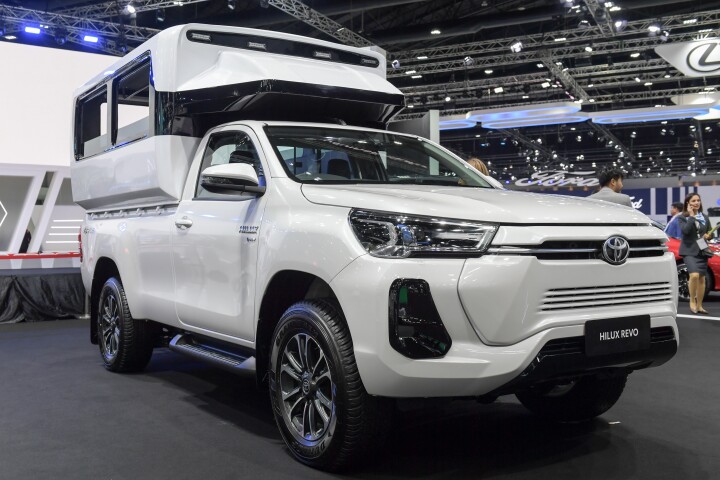
Unreleased Toyota Hilux EV becomes a troop-carrying minibus
April 09, 2024Toyota has been developing an electric Hilux pickup in Thailand for over a year, and the prototype has now been turned into a slick, little passenger-mover. Like a classic Land Cruiser Troopy, the new mini-bus seats two rows of passengers in back. -

$6 a day EV subscription service could disrupt the auto industry
April 06, 2024These electric cars & trucks use battery-swap recharging, offer immediate replacement if damaged, and roll out at prices down to $0.25 per hour, with no upfront fees... That's $6 a day plus electricity. The idea is potentially massively disruptive.
Load More