



NASA’s Curiosity Mars rover has completed its first soil analysis of the Red Planet. The unmanned explorer used an advanced, miniaturized X-ray diffraction instrument that is part of the Chemistry and Mineralogy instrument (CheMin) of its internal laboratory. The soil, collected at a site designated “Rocknest” in Gale Crater, reveals that Martian soil is a weathered volcanic type similar to soils found in the Hawaiian Islands.
This finding represents a considerable advance in our understanding of Mars and increases scientists’ confidence about the mineralogy of the dust that covers most of the Martian the surface.
"We had many previous inferences and discussions about the mineralogy of Martian soil," said David Blake of NASA Ames Research Center in Moffett Field, California, principal investigator for CheMin. "Our quantitative results provide refined and in some cases new identifications of the minerals in this first X-ray diffraction analysis on Mars."
This mineral analysis is central to Curiosity’s two-year mission to find areas of Mars where life may have once, or still might, exist. That’s because minerals retain a record of the conditions that created them. These particular samples of wind-blown dust provides a very good picture of modern Martian conditions.
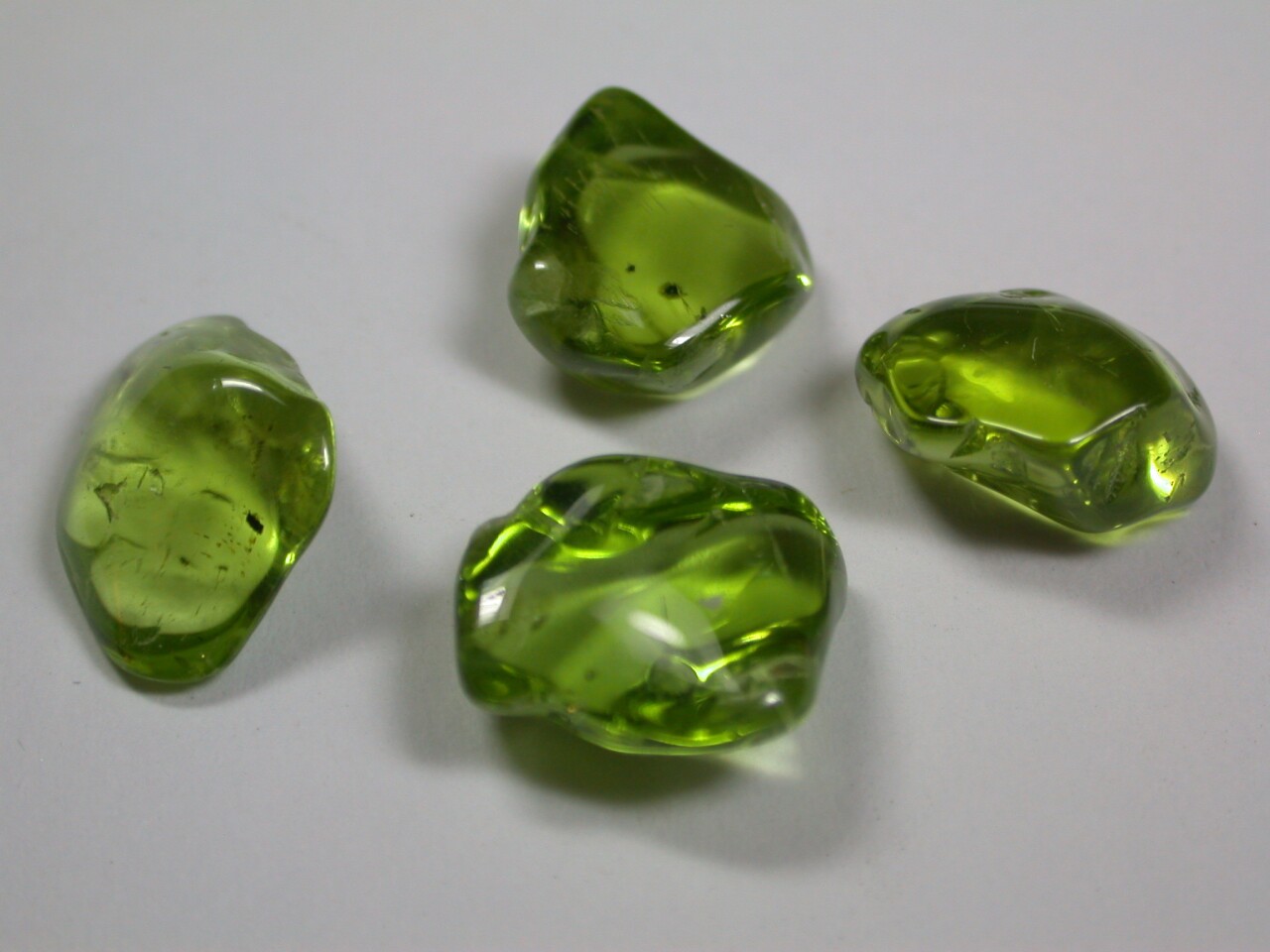
"Much of Mars is covered with dust, and we had an incomplete understanding of its mineralogy," said David Bish, CheMin co-investigator with Indiana University in Bloomington. "We now know it is mineralogically similar to basaltic material, with significant amounts of feldspar, pyroxene and olivine, which was not unexpected. Roughly half the soil is non-crystalline material, such as volcanic glass or products from weathering of the glass."
"So far, the materials Curiosity has analyzed are consistent with our initial ideas of the deposits in Gale Crater recording a transition through time from a wet to dry environment," Bish said. "The ancient rocks, such as the conglomerates, suggest flowing water, while the minerals in the younger soil are consistent with limited interaction with water."
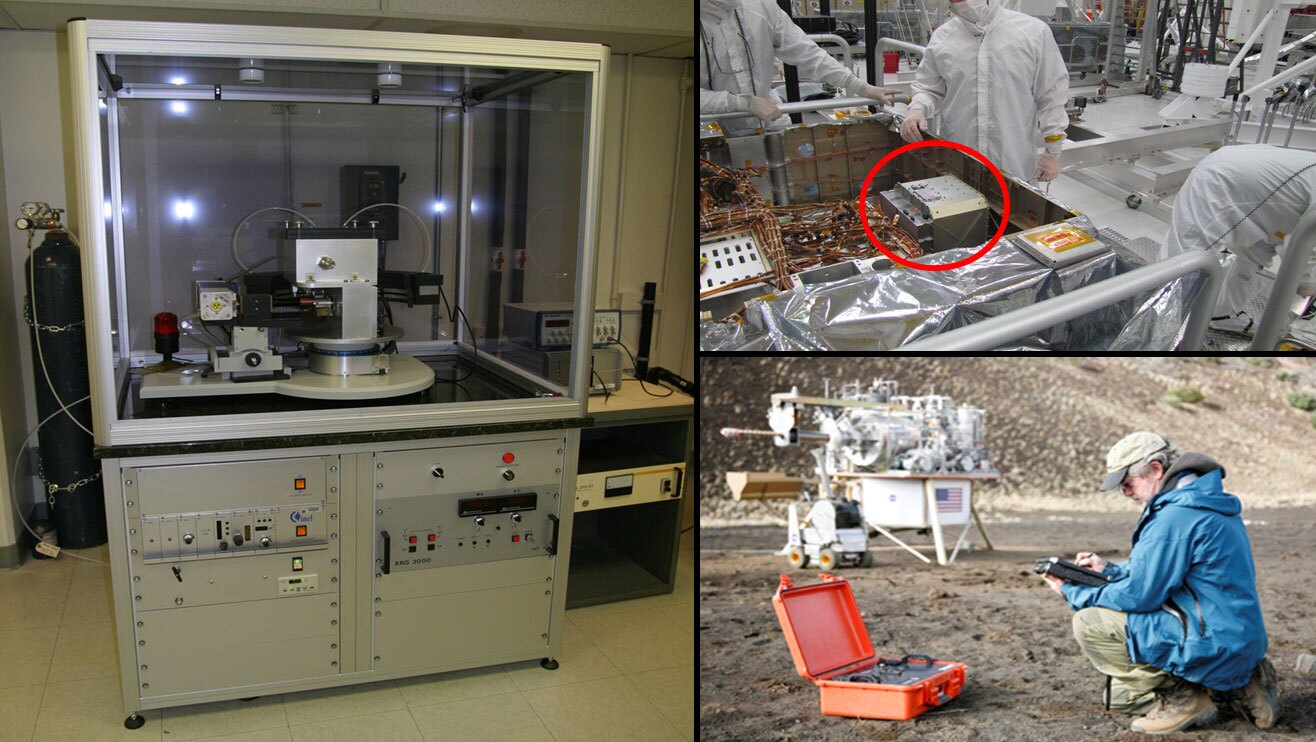
The analysis also allowed NASA to show off ChemMin. While the 4X4-sized Curiosity is a giant among space rovers, CheMin is a showcase of miniaturization. X-ray diffraction instruments are usually the size of a refrigerator and just about as portable, but CheMin is a cube only ten inches (25 cm) on a side.
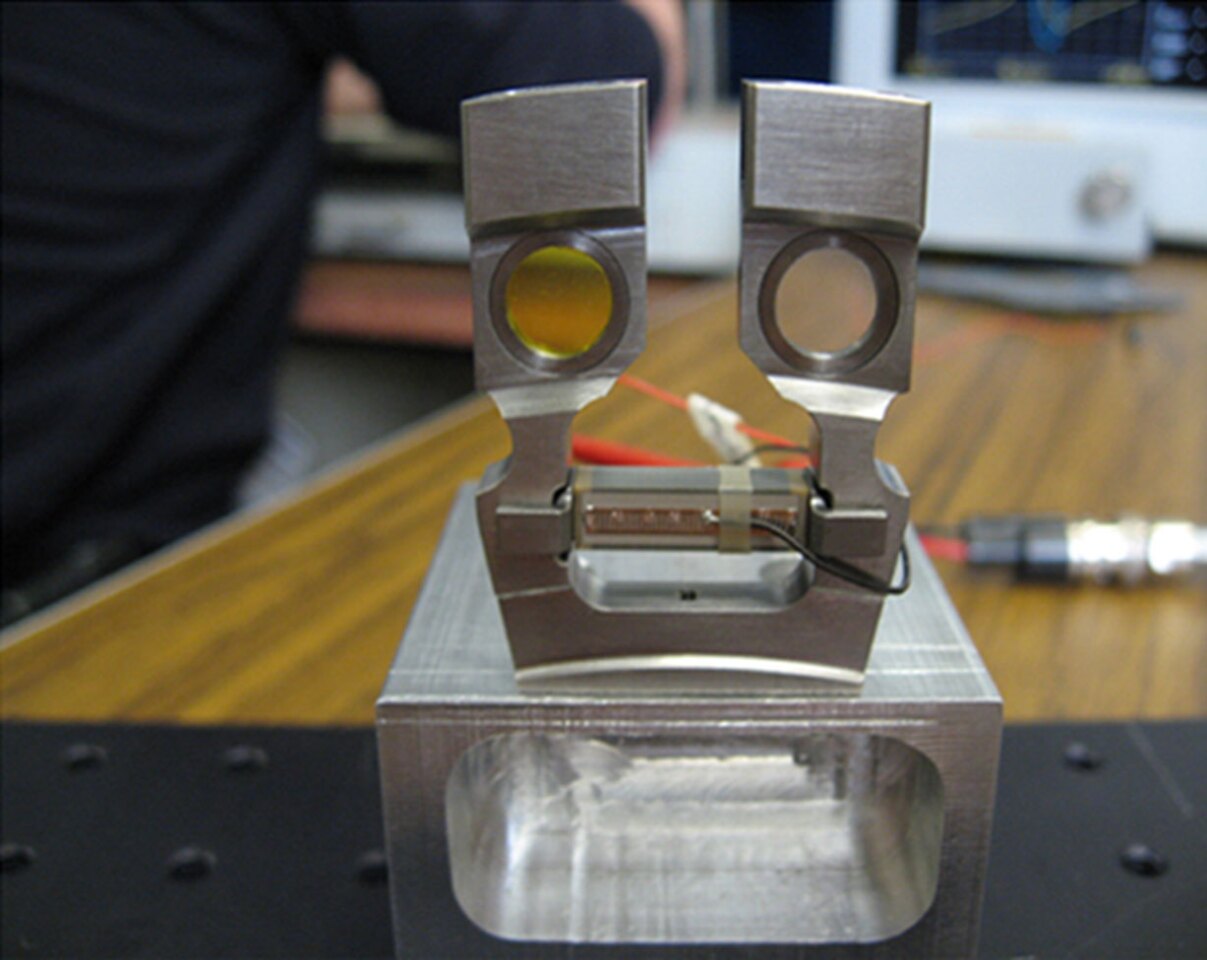
It not only has the ability to automatically analyze samples by means of shooting X-rays through them and studying how they scatter, but it can use special sample cells that vibrate at 2,000 times per second to churn the fine particles of the sample so that each grain is struck randomly by X-rays to provide a complete picture.
This allows Curiosity to study even poorly prepared soil samples and it has many terrestrial uses, such as in the screening archaeological artifacts or pharmaceuticals that would be destroyed by extensive processing. Needless to say, its small size makes its Earth variants very handy for field work.
The video below is a Curiosity update from the Jet Propulsion Laboratory.
Source: NASA